

 ع
ع



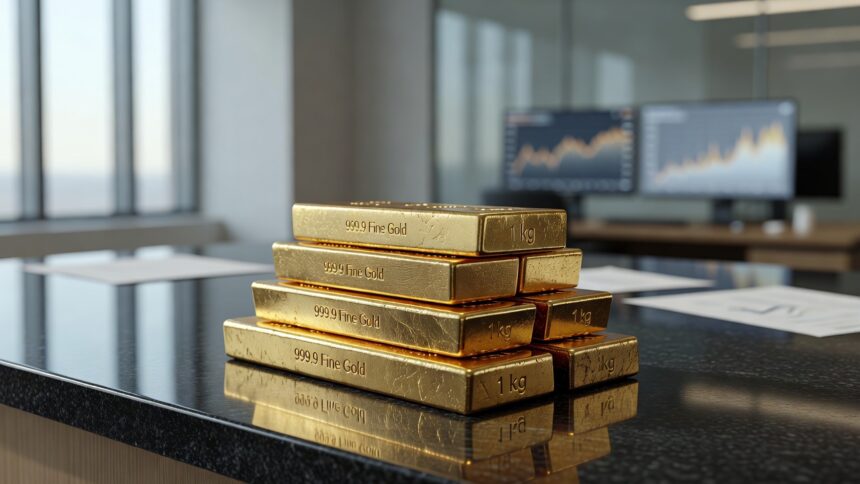
Gold futures fell nearly 10 percent over the week, marking the steepest decline since September 2011, as momentum trades that propelled the metal to historic highs began to reverse sharply. The selloff extended a slump that began in late January when the precious metal pulled back from records above $5,000 an ounce, with silver experiencing even steeper losses approaching 45 percent at points during the downturn. A CNBC analysis attributed much of the move to the unwinding of bets tied to persistent inflation fears that had earlier drawn both retail and institutional buyers into the market.
According to the Financial Times, the reversal in gold and silver deepened into a second consecutive week of losses by early February as broader market sentiment shifted toward reduced expectations for sustained price pressures. Wall Street Journal reporting noted that the rally had been supported by concerns over dollar debasement and large central bank purchases, factors that appeared less urgent as certain policy signals eased. The publication added that U.S.-listed gold and silver miners tumbled in sympathy with the metals, contributing to declines in the S&P 500 materials sector.
Reuters data placed the weekly loss for gold at roughly 9.6 percent by mid-March, with front-month futures settling near $4,575 an ounce after earlier peaks. The wire service reported that the drop coincided with a stronger U.S. dollar and rising Treasury yields, which diminished the appeal of non-yielding assets like bullion. Market participants cited by Reuters described the action as a classic unwind of momentum-driven positions accumulated throughout the prior bull run.
Bloomberg figures show gold entered 2026 with substantial year-to-date gains despite the periodic sharp corrections, as investors continued to allocate to the metal as a hedge against geopolitical risks and long-term currency concerns. The outlet’s investment outlook review highlighted that while central banks maintained purchases, private investors began trimming exposure once inflation trajectories appeared to moderate under tighter monetary policy. This dynamic contributed to heightened volatility across precious metals markets through the first quarter.
Commodity analysts consulted by multiple outlets cautioned that such pullbacks often follow extended rallies, with the current episode erasing only part of the multi-year advance fueled by global uncertainties. The Wall Street Journal documented how silver’s trading behavior resembled that of a momentum asset during the period, amplifying swings beyond those in gold. Despite the weekly setback, longer-term forecasts from industry sources continued to reference potential support from structural demand in emerging markets and as a portfolio diversifier.