 ع
ع



The Dow Jones Industrial Average fell 628.18 points, or 1.18 percent, to close at 52,786.07 on Tuesday, marking its largest one-day point and percentage decline since Aug. 20. The S&P 500 lost 45.08 points, or 0.58 percent, to end at 7,673.52 while the Nasdaq Composite declined 85.58 points, or 0.32 percent, to 26,421.41. A drop in Amgen shares weighed on the health care sector, which posted the largest decline in the S&P 500.
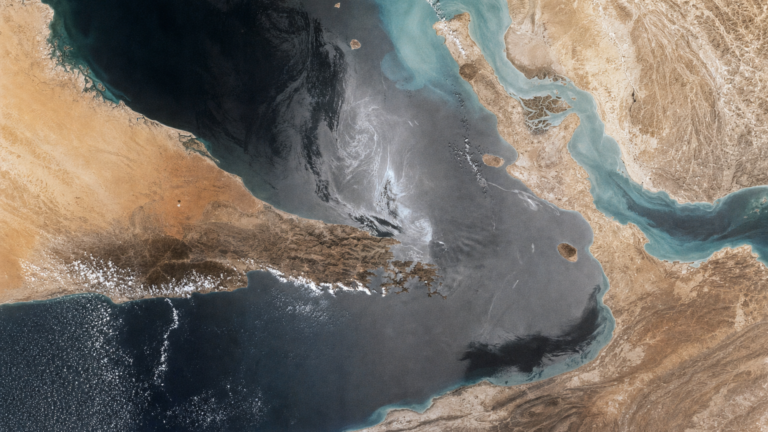
Escalating conflict between the U.S., Iran and Houthi rebels in the Middle East triggered the sell-off as attacks on Saudi energy facilities and U.S. responses pushed oil prices higher. West Texas Intermediate crude for October delivery rose 1.7 percent to settle at $93.03 a barrel for its sixth straight gain, the longest such streak since March. Brent crude futures climbed toward $100 a barrel before closing the regular session at $97.92, up 0.9 percent.
Concerns over energy costs lifted Treasury yields, with the 10-year note closing at 4.805 percent, its highest level since 2023. The rise in borrowing costs added to pressure on equities ahead of key inflation readings later in the week. Health care stocks bore the brunt of the decline in the broader market.
Trade tensions with Canada also weighed on sentiment after retaliatory tariffs on billions of dollars in U.S. goods took effect, including duties as high as 50 percent on steel, aluminum and other products. The measures followed earlier U.S. actions and contributed to uncertainty across industrial sectors. Investors rotated away from cyclical names while technology shares held up relatively better.
Despite the losses the Dow Jones Industrial Average stands 9.83 percent higher year-to-date, having added 4,722.78 points. The blue-chip index has fallen five of the past seven trading days and trades 2.88 percent below its record close of 54,349.12 set on Aug. 5. It remains up 16.87 percent from its 52-week low hit in March.
September has historically been difficult for equities, and both the Dow and S&P 500 are now on a 10-year post-Labor Day losing streak. Odds of a Federal Reserve rate increase in September stood near 60 percent Tuesday amid the inflation risks posed by higher energy costs. President Trump said on social media that oil will drop precipitously when the U.S. wins the war with Iran, predicting that gasoline will ultimately fall below $2 a gallon.