 ع
ع


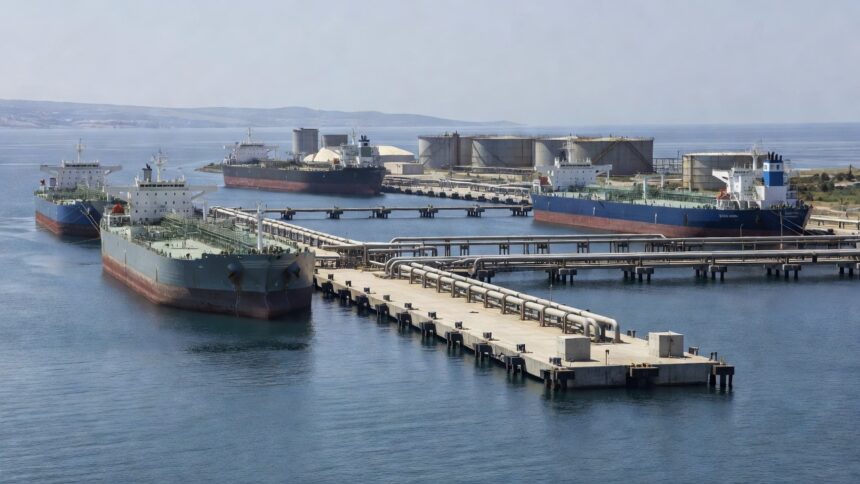
Iraq and Türkiye signed a one-year agreement to pump 750,000 barrels of oil per day via port of Ceyhan, the Emirates News Agency reported on July 31. The pact focuses on resuming and stabilizing flows through the Turkish Mediterranean terminal after previous disruptions tied to legal disputes. Iraqi officials described the arrangement as a step toward restoring export volumes that had fallen below historical averages.
The Directorate General of Oil in Iraq’s Ministry of Oil stated the deal covers crude from fields in the north, with revenues to be split under existing frameworks between Baghdad and the Kurdistan Regional Government. Turkish energy authorities confirmed the port of Ceyhan will handle the increased throughput, leveraging its infrastructure that includes multiple loading berths. The one-year term allows both sides to assess performance before negotiating extensions, the ministry added.
According to OPEC data, Iraq’s total crude production averaged 4.2 million barrels per day in 2025, with northern exports through Turkey forming a key component despite intermittent halts. A 2023 arbitration ruling by the International Chamber of Commerce had paused flows for months, leading to cumulative revenue losses estimated by the Iraqi government at more than $1 billion. The new agreement seeks to avoid similar interruptions by clarifying operational protocols.
The Central Bank of Iraq figures show oil sales still account for over 90 percent of state revenues, underscoring the importance of reliable export routes. Industry assessments from the International Energy Agency place Ceyhan’s operational capacity above 1 million barrels per day, providing headroom for the agreed volume. Both governments have committed to joint monitoring committees that will track compliance and address technical issues as they arise.
Turkish officials told Reuters that the pact aligns with Ankara’s strategy to strengthen energy transit corridors between the Middle East and European markets. The deal also incorporates environmental safeguards for pipeline maintenance, a requirement highlighted in prior bilateral talks. Iraqi counterparts noted that stable exports will support budget planning for 2027, when fiscal projections already incorporate assumed revenues from the Ceyhan route.
A joint statement distributed by the Emirates News Agency indicated that technical teams from both countries will meet within 30 days to finalize scheduling and quality specifications for the crude grades involved. The agreement takes effect immediately, with initial shipments expected to ramp up over the coming week. Energy analysts following the sector said the arrangement could influence broader regional pricing dynamics in the Mediterranean basin.