

 ع
ع



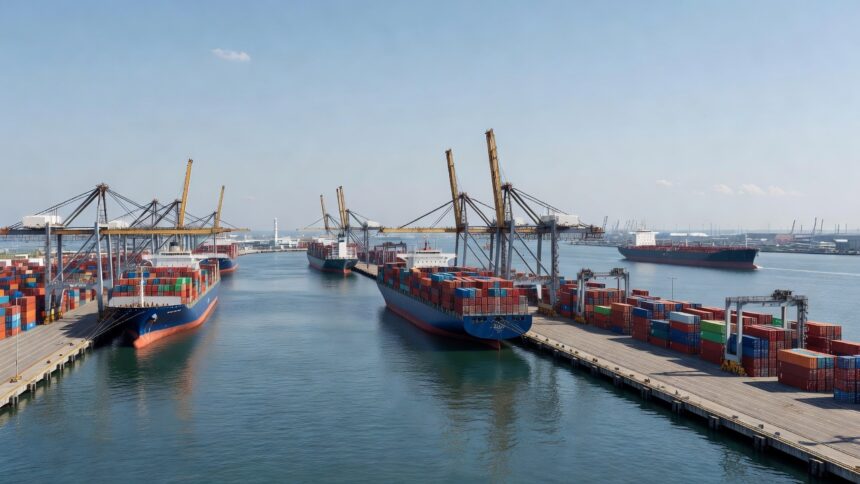
The Ministry of Finance data showed exports advancing for an 11th straight month, topping forecasts for a 19.9 percent gain and accelerating from the 19.3 percent increase registered in June, with shipments to the United States rising 22 percent and those to China climbing 25.8 percent. Strong overseas demand for semiconductors tied to artificial intelligence data centres together with the weaker yen that enhanced price competitiveness for Japanese goods propelled the outbound figures to their highest level on record. Imports meanwhile posted their second consecutive monthly record, exceeding projections for a 26.5 percent rise and building on the 25.4 percent advance seen the previous month as energy costs climbed sharply.
Ministry figures placed the value of crude oil imports 87.8 percent higher than a year earlier even as volumes grew 5.5 percent, the first such increase in four months, after Japan shifted toward higher-priced supplies from the United States amid tensions that have disrupted shipping through the Strait of Hormuz. Producer prices rose 7.2 percent year on year in July, reflecting the pass-through from elevated energy costs that have added to broader inflationary pressures. The ministry data highlighted how these import dynamics more than offset export gains and widened the trade gap.
According to the ministry’s tally the trade deficit reached 634.5 billion yen in July, larger than the 156.3 billion yen shortfall recorded a year earlier yet narrower than the 680 billion yen that economists had anticipated. The ministry’s July statistics illustrated how import growth outpaced exports despite the latter’s robust performance, producing the third consecutive monthly deficit and the largest since January. Separate ministry releases on earlier months had already signaled the accelerating trend in both directions of trade.
Koki Akimoto at the Daiwa Institute of Research noted in a Reuters interview that the recovery in crude volumes, combined with persistently high oil prices and larger shipments of pricier U.S. crude, has been pushing up the value of imports. The ministry data also captured how the weaker yen continued to support export volumes across a range of manufactured goods beyond semiconductors. These price and volume effects together lifted the overall trade values to levels not previously seen for the month of July.
Japan’s economy expanded for a third consecutive quarter through April to June, the Cabinet Office reported last month, with strong external demand helping to counter subdued domestic consumption. The Ministry of Finance statistics for July extend that pattern by documenting sustained export momentum even as import costs reflect global commodity pressures. Earlier ministry annual summaries showed Japan crossing the 100 trillion yen threshold in yearly exports for the second straight year in 2025, setting a high baseline for the current performance.