
 ع
ع



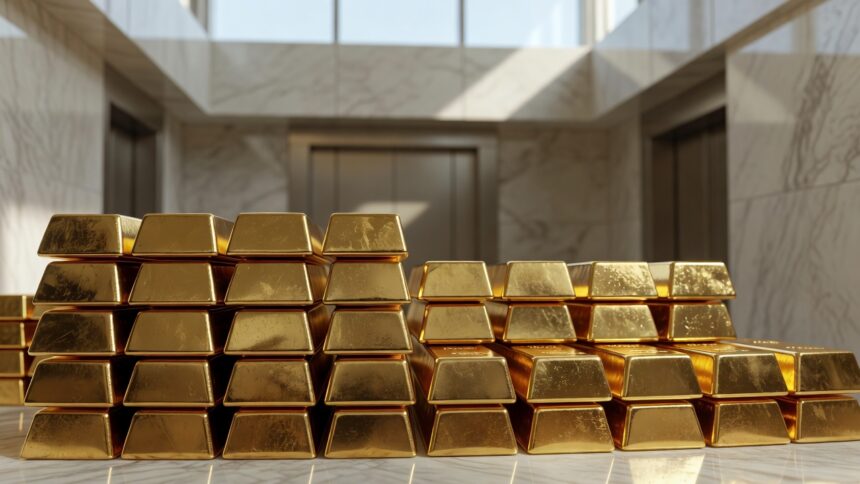
Market data compiled by WAM showed spot gold declining 1 percent to $4,124.28 per ounce by mid-morning in New York trading on Thursday while US gold futures for August delivery eased 0.8 percent to $4,136.29. The slip reflected a stronger dollar index that made the metal more expensive for holders of other currencies together with caution among traders awaiting the Federal Reserve’s latest meeting minutes for signals on the policy path. Persistent inflation readings have led investors to push back expectations for near-term rate cuts, lifting real yields and reducing gold’s attractiveness as a portfolio diversifier in recent sessions.
A World Gold Council mid-year outlook detailed how gold experienced extreme swings in the first half of 2026, surging to an intraday record above $5,500 per ounce in January before correcting sharply to briefly trade below $4,000 in late June. The assessment found that realised volatility climbed above 50 percent amid geopolitical tensions and abrupt changes in investor positioning across asset classes. Such movements underscored gold’s sensitivity to shifts in monetary policy expectations and the dollar’s relative strength even as the metal posted solid returns over a longer 12-month horizon.
World Gold Council figures show global gold demand including over-the-counter trades rose 2 percent year on year to 1,231 tonnes in the first quarter of 2026. That volume growth combined with elevated prices drove a 74 percent increase in the value of demand to a record $193 billion for the period. Bar and coin investment jumped 42 percent to 474 tonnes during those months with Asian buyers accounting for much of the increase in physical purchases.
Central banks maintained net gold purchases of 244 tonnes in the first quarter according to World Gold Council data analysed by State Street Global Advisors, marking a 17 percent rise from the prior quarter and exceeding the five-year average. Projections from the same sources point to full-year net official buying in the range of 680 to 820 tonnes for 2026, extending a streak of annual accumulation that began after the global financial crisis. This steady demand from the official sector has helped support prices during periods of financial investor outflows.
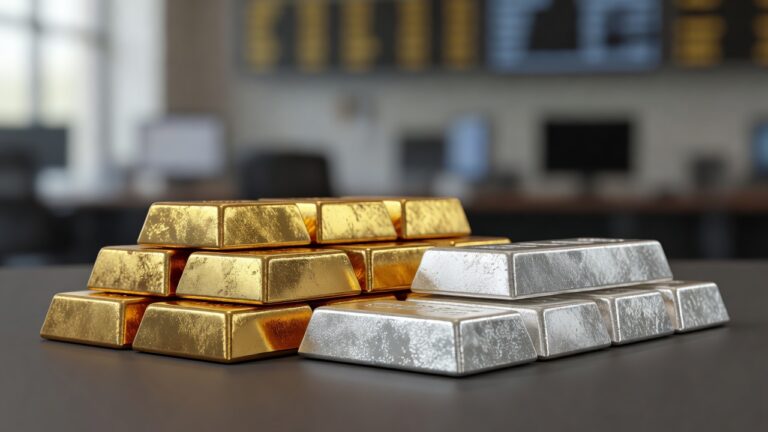
Silver prices moved lower in tandem with gold on Thursday while platinum and palladium showed varied performance depending on industrial demand factors in their respective markets. The broader precious metals complex has faced headwinds from reduced safe-haven buying as oil supply risks eased and focus returned to macroeconomic policy signals from major central banks. Traders will continue monitoring upcoming US economic indicators for any revisions to the expected trajectory of interest rates.
Analysts at institutions including JPMorgan have revised forecasts for the balance of 2026 following the price correction from January peaks, citing the interplay of trade tensions, geopolitical developments and central bank activity. A bank review noted that gold has traded mostly sideways in recent weeks, holding above its 200-day moving average near $4,340 while remaining below shorter-term resistance levels. Such positioning reflects the current balance of forces acting on the market as the year progresses.