
 ع
ع



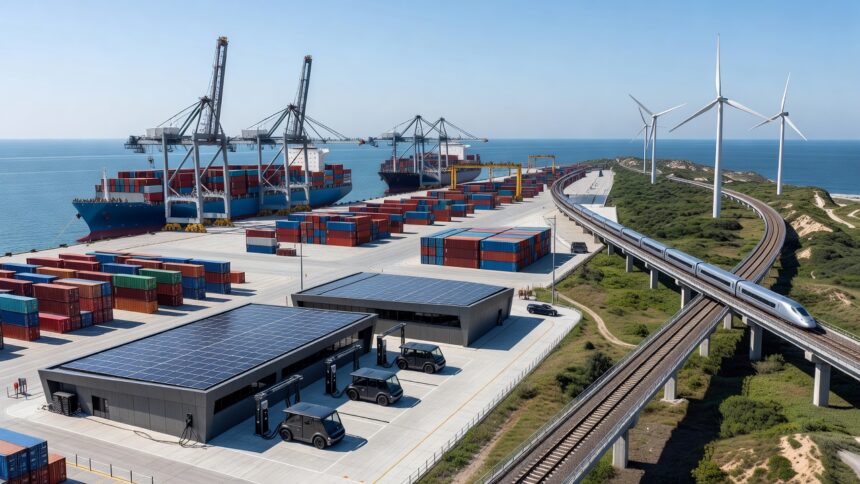
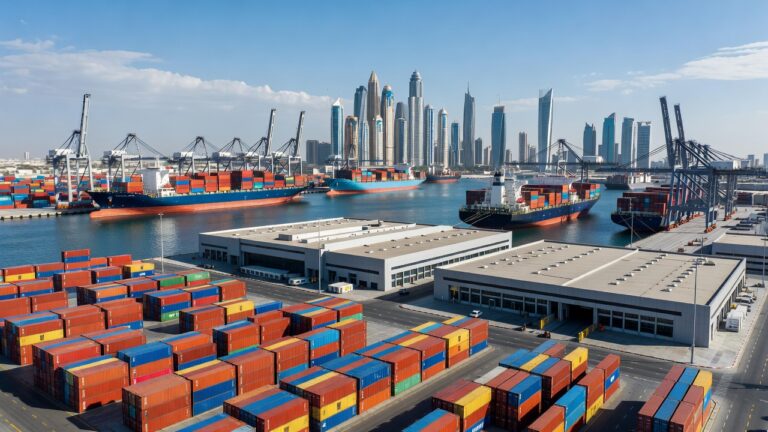
The UAE delegation, headed by Minister of Energy and Infrastructure Suhail Mohammed Faraj Al Mazrouei, attended the gathering hosted by the Indian government in New Delhi over the weekend, where participants reviewed progress on multimodal transport systems and digital integration across the expanded BRICS bloc. Discussions centred on aligning regulatory frameworks to facilitate smoother trade flows and reduce logistics costs among member nations that now include the UAE along with Egypt, Ethiopia, Iran and Saudi Arabia in addition to the founding countries. The ministry statement highlighted the UAE’s presentation of its own advancements in green mobility and smart port operations as potential models for collaborative initiatives. A World Bank assessment of global supply chains has placed BRICS nations as accounting for more than 40 percent of world trade volume in recent years, underscoring the strategic value of coordinated transport policies.
Al Mazrouei emphasised the importance of joint investments in resilient infrastructure during his interventions, according to the ministry’s readout of the event. The meeting built upon outcomes from the previous two BRICS transport ministerial gatherings by establishing working groups on electric vehicle adoption and high-speed rail connectivity. Participants agreed to exchange best practices on climate-resilient ports and airports, with the UAE offering to host technical workshops later in the year. Central Statistical Bureau data from several member states shows transport sector emissions have risen in line with post-pandemic trade recovery, adding urgency to the sustainability agenda.
India’s transport minister outlined host country priorities around regional connectivity corridors that could link to UAE ports, the ministry statement noted. The UAE side responded by detailing its own network of free trade agreements that have boosted non-oil exports by double-digit percentages annually in the past five years. Delegates also addressed challenges in harmonising customs procedures to accelerate cargo movement. An International Monetary Fund report on emerging market logistics found that improved transport coordination among BRICS economies could add up to 1.5 percent to collective GDP growth over the next decade.
The third ministerial meeting concluded with a joint communique committing all parties to measurable targets on decarbonising freight transport by 2035, the UAE ministry reported. Al Mazrouei held bilateral talks with ministers from Brazil, Russia and China to explore specific partnership opportunities in autonomous shipping technology. These side discussions are expected to feed into broader BRICS economic forums scheduled before the end of 2026. PwC analysis of Gulf infrastructure spending projects the UAE will invest more than $100 billion in transport projects through 2030, much of it aligned with international sustainability standards.
Follow-up mechanisms established at the meeting include a dedicated digital platform for real-time data sharing on trade routes and bottlenecks, according to the ministry statement. The UAE has already integrated several of its port systems with similar platforms used by India and China, demonstrating early wins from prior cooperation. Officials agreed to reconvene in Russia for the fourth meeting next year to assess implementation progress. The expanded BRICS group, which formally admitted new members in 2024, now represents over 45 percent of the global population, according to United Nations demographic figures, amplifying the potential impact of its transport policy alignment.