
 ع
ع



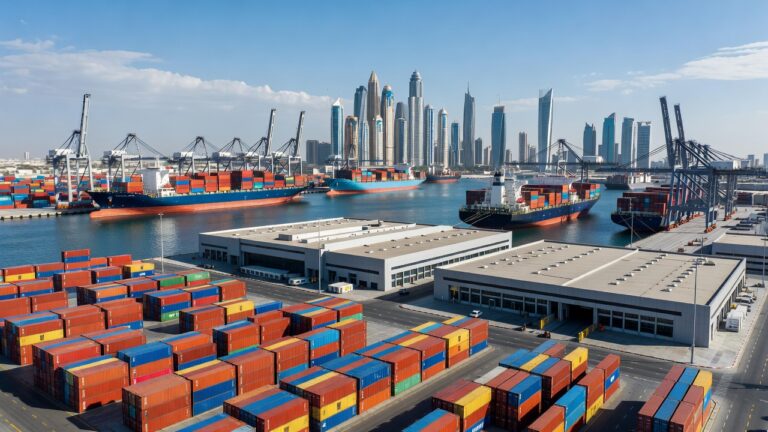
The Office of the US Trade Representative published a Federal Register notice on July 23 announcing additional tariffs on imports from 60 trading partners as the result of an investigation into their failure to effectively ban goods made with forced labor. Seventeen partners including Argentina, Bangladesh, Britain, Cambodia, Canada, Ecuador, El Salvador, Guatemala, Honduras, India, Indonesia, Jordan, Malaysia, Mexico, Pakistan, Sri Lanka and Trinidad and Tobago will face a straight 10 percent duty under the action. The European Union, Taiwan, Japan, the Republic of Korea and Switzerland received rates calibrated so that when added to pre-existing most-favoured-nation tariffs the combined duty reaches either 10 percent or 12.5 percent, while the remaining 38 partners face a flat 12.5 percent rate, according to the USTR.
US Trade Representative Jamieson Greer said in a statement that the United States has had a forced labour import ban for nearly a century and rigorously enforces it. Greer added that it is well past time for trading partners to do the same. The measures took effect as a temporary 10 percent global tariff expired and build on a June 2 USTR report that deemed the partners’ policies unreasonable and burdensome to US commerce.
A Congressional Research Service report updated in July 2026 traces the US forced labor import prohibition to Section 307 of the Tariff Act of 1930, noting that enforcement expanded significantly after 2015 amendments eliminated the consumptive demand exception. The International Labour Organization estimated that 27.6 million people were in forced labor globally on any given day in 2021, generating more than 200 billion dollars in annual illegal profits. The USTR has described the United States as the only country that both maintains such a ban and enforces it rigorously.
The tiered tariff structure reflects progress made by certain partners, with 10 nations securing lower rates through commitments in Agreements on Reciprocal Trade that include forced labor prohibitions, the USTR reported. Jordan signed one such agreement on the Monday before the announcement and received credit for its steps. Public input on the proposal included more than 1,600 written comments and testimony from 107 witnesses at hearings, according to agency records.
The new tariffs apply to 99.4 percent of US imports by value with exemptions carved out for oil and gas, fertiliser and certain food items to limit disruption in critical sectors. A USTR fact sheet distributed with the notice emphasised that the action seeks to create incentives for trading partners to strengthen their own border controls against forced labor goods. Greer had stated in June that the failure of major partners to address such imports forces American workers to compete on an unlevel playing field.
Earlier analyses by the Tax Foundation projected that the broader set of tariffs enacted during the current administration could raise nearly 1 trillion dollars in conventional revenue over a decade while reducing long-run GDP by measurable fractions. The latest action forms part of ongoing adjustments that followed the expiration of the temporary global levy. The USTR indicated it will continue monitoring implementation and any additional commitments from partners to adjust measures as warranted.