
 ع
ع



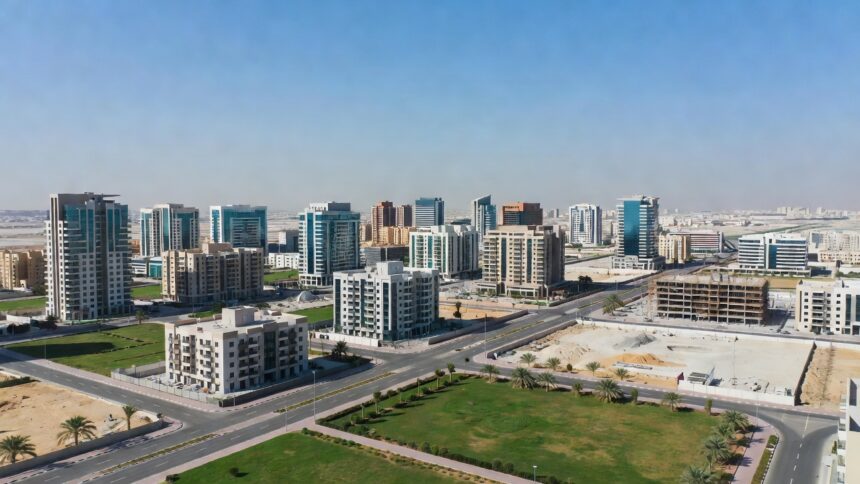
The Ajman Department of Land and Real Estate Regulation placed July real estate transaction values at AED1.65 billion from a total of 1,517 deals. Sales activity generated AED1.08 billion from 1,296 transactions while 138 mortgage registrations reached AED341 million. The department’s tally identified Al Jurf Industrial 1 as the site of the highest single sale at AED22.5 million along with the largest mortgage at AED20.9 million. These outcomes reflect sustained buyer interest across multiple segments of the market.
According to the department, Ajman Uptown led trading volumes among major projects with Ajman One and Emirates City following in second and third place. Al Helio 2 headed the ranking of active neighbourhoods ahead of Al Helio 1 and Manama 14. The department noted that diverse investment options and direct demand for varied property types supported the breadth of activity during the month.
The department had earlier recorded AED10.8 billion in real estate transactions from 6,815 deals across the first half of 2026. July figures build on that base after the first quarter produced AED6.22 billion, a 12 percent rise from the year-earlier period according to the same department data. Such sequential gains illustrate the sector’s consistent expansion through the first seven months of the year.
Colliers research documented a steady 6 percent year-on-year growth rate for Ajman’s real estate market since 2018. The consultancy attributed the performance largely to affordable pricing with one-bedroom apartments typically ranging between AED200,000 and AED400,000. This positioning has drawn investors seeking value relative to other emirates in the federation.
Colliers assessments project Ajman’s population to increase from approximately 574,000 residents in 2023 to nearly 651,000 by 2030. The same research forecasts residential demand to expand from 122,700 units in 2023 to 158,800 units by the end of the decade at a compound annual growth rate of 3.7 percent. Declining average household sizes from 4.18 persons in 2017 toward 3.3 persons by 2030 form one driver behind the projected housing requirement.