 ع
ع



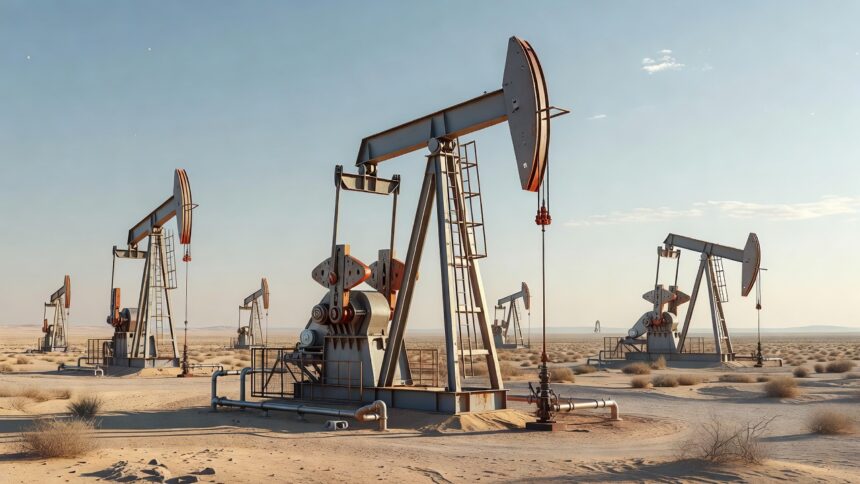
The Emirates News Agency reported that oil prices continued to rise as Brent crude futures advanced toward the $84 level while West Texas Intermediate also posted gains, reflecting ongoing market sensitivities to developments in the Middle East. This movement extends a monthly increase of more than 6 percent recorded by crude benchmarks, according to figures from Trading Economics. Over the past year prices are up more than 22 percent, the data shows, as the sector absorbs the aftereffects of earlier geopolitical shocks.
A Reuters assessment published in July highlighted how Chinese demand moderation helped prevent even sharper price spikes during the five-month period of heightened US-Iran hostilities that began in February. The world’s largest oil importer slashed crude purchases to 10-year lows by June while promoting electric taxis and curtailing petrochemical activity, the report said. Brent prices peaked near $126 a barrel but averaged $101 during the active conflict phase before easing to around $70 in early July.
Industry data from the US Energy Information Administration placed recent WTI settlements at $76.78 a barrel with Brent around $86 in some daily snapshots, underscoring the volatile but generally upward path. The EIA has projected US crude output will remain robust, which has contributed to a supply buffer that limits extreme volatility. OPEC+ production policies have similarly supported price recovery, market observers noted in recent briefings.
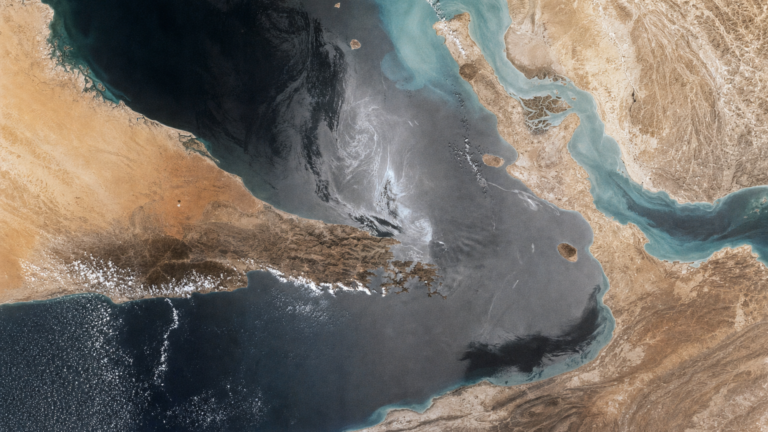
The International Energy Agency has tracked steady Asian consumption growth despite the disruptions, a factor that has underpinned demand for crude in the current environment. Gold prices have shown mixed performance in tandem with oil, according to parallel commodity updates from WAM. Analysts continue to monitor the Strait of Hormuz for any signs of renewed restrictions that could alter the current pricing dynamic.
In the wake of the ceasefire announced in June, oil markets have gradually stabilized even as President Trump indicated the agreement remains conditional on Iranian behavior, a CNBC report from mid-June detailed. This has kept a premium in prices related to potential re-escalation. The overall trend points to a market that has absorbed significant geopolitical stress without reaching the catastrophic levels once feared by traders.
With global inventories and production levels in focus, the latest daily price assessments from Oilprice.com showed Brent at $83.96 and WTI at $78.58 as of August 7. Such figures represent a notable recovery from early July lows. Market participants will look to upcoming economic data for further direction on demand prospects.