
 ع
ع



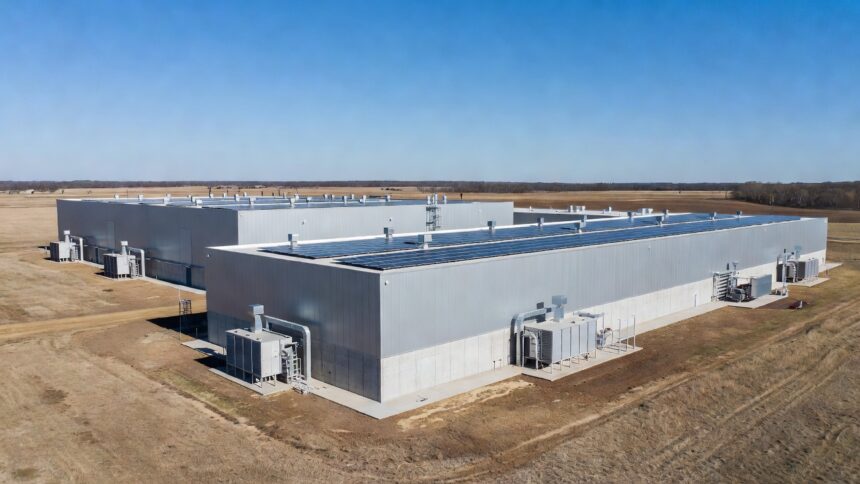
The Trump administration will announce the tariff and a series of minimum import prices on polysilicon, wafers, cells and modules as early as Thursday following a Section 232 investigation into foreign imports. Four sources familiar with the matter told Reuters that the proclamation aims to protect the two remaining major U.S. polysilicon producers, Hemlock Semiconductor and Wacker Chemie. The hybrid mechanism combines the 15 percent duty with price floors intended to prevent Chinese material from entering at unsustainable low prices that have undermined American facilities. Officials have framed the action as essential to reducing reliance on overseas supply chains for both renewable energy components and semiconductor manufacturing.
China accounted for 93.2 percent of global polysilicon production in 2024, according to data from the China Photovoltaic Industry Association that also placed the country’s share of wafers at 96.6 percent and cells at 92.3 percent. A Center for Strategic and International Studies analysis published in March 2026 noted that this near-monopoly has been reinforced by years of subsidies and capacity expansion that triggered intense price competition within China. The resulting overcapacity has kept global prices below levels needed for non-Chinese producers to compete, prompting the latest U.S. measures. Wood Mackenzie projected in a 2023 report that China would maintain more than 80 percent control of the entire solar manufacturing chain through 2026.
U.S.-listed solar manufacturers saw their shares rally after the Reuters report on the impending announcement, reflecting investor expectations that the tariff will support domestic production. The policy includes provisions allowing importers who invest in American wafer and cell manufacturing to offset some costs associated with the new trade barriers. This incentive seeks to encourage reshoring of downstream activities while still imposing costs on pure imports. Industry participants have monitored the Section 232 probe closely since it began, anticipating outcomes that could reshape procurement strategies across the solar sector.
Craig Singleton, a senior fellow at the Foundation for Defense of Democracies, told Reuters that China built its polysilicon dominance through subsidies and chronic overcapacity that pushed prices below sustainable levels and weakened competitors. The expert assessment aligns with long-standing concerns in Washington about strategic vulnerabilities in clean-energy and technology supply chains. Such dependencies have grown more pronounced as demand for solar installations and advanced chips has accelerated in recent years. The tariff announcement forms part of a broader pattern of measures intended to bolster U.S. manufacturing resilience.
Global polysilicon market value reached an estimated 17.24 billion dollars in 2025 and is projected to expand to 19.33 billion dollars in 2026 before climbing further, according to a Market Research Future forecast. Much of that growth trajectory depends on solar deployment rates, which have faced headwinds from policy uncertainty and elevated component costs in key markets. The new U.S. tariff is expected to raise prices for imported materials in the short term while providing breathing room for domestic capacity additions. Trade partners in Asia, including South Korean firms with exposure to the U.S. market, have expressed caution about potential ripple effects on their export volumes.
The administration’s decision also incorporates flexibility for certain investments that could accelerate construction of U.S. facilities meeting the price-floor criteria. Sources indicated the full details will appear in the presidential proclamation expected within days of the initial report. This timing coincides with ongoing congressional debates over energy policy and national security priorities. Observers anticipate the measures will influence procurement contracts already in negotiation for projects scheduled over the next several quarters.