 ع
ع


The National Planning Council reported that the index also rose 6.45 percent compared with the first quarter of 2026. Gains occurred across eight of the 10 main commodity groups tracked in the data. Mineral fuels, lubricants and related materials continued to exert the greatest influence on the overall reading.
The mineral fuels, lubricants and related materials group carried a relative weight of 88.77 percent based on 2018 values, according to the National Planning Council. Chemicals and related products followed at 8.04 percent while manufactured goods classified chiefly by material accounted for 2.63 percent. These three categories together represented roughly 99.5 percent of the index weight.
Chemicals and related products registered the largest quarterly increase at 34.73 percent, the council’s figures show. Mineral fuels, lubricants and related materials advanced 4.25 percent in the period while manufactured goods rose 3.31 percent. Commodities and transactions not classified elsewhere declined 1 percent and the animal and vegetable oils, fats and waxes group remained unchanged.
On a year-on-year basis six groups contributed to the 17.64 percent increase from the second quarter of 2025. Chemicals and related products surged 35.94 percent, mineral fuels climbed 16.14 percent and manufactured goods gained 14.46 percent, a National Planning Council assessment found. Crude materials, inedible except fuels, increased 7.38 percent, food and live animals rose 5.26 percent and commodities not classified elsewhere edged up 0.56 percent.
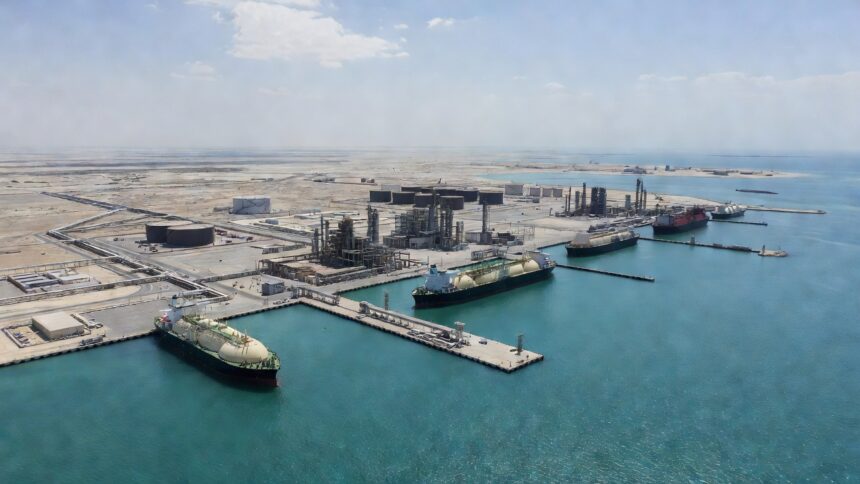
Qatar’s Export Unit Value Index increases by 17.64% in Q2 2026 despite regional challenges. The National Planning Council stated that the rise reflects improved unit values of exported goods and demonstrates the resilience of the Qatari economy amid economic and geopolitical volatility in the region. Iranian missile strikes in March damaged LNG production facilities at Ras Laffan, reducing annual capacity by 12.8 million tonnes, according to Fitch Ratings data.
The index had risen 4.44 percent year-on-year in the first quarter of 2026 to reach 120.99 points, earlier National Planning Council releases showed. Fitch Ratings affirmed Qatar’s credit rating at AA and forecast that LNG exports would recover to pre-war levels in the second half of 2027. The council compiles the index from export statistics classified under the Standard International Trade Classification Revision 4.
The National Planning Council uses the base year of 2018 to calculate relative weights for each commodity group. The latest release covers around 56 individual commodities spread across the 10 main groups. Data from the index helps track changes in export prices over time and informs assessments of the country’s external trade position.