
 ع
ع




The Emirates News Agency reported that oil prices climbed as Brent crude approached the $100 per barrel threshold following fresh strikes on energy infrastructure in Saudi Arabia that forced the halt of operations at multiple facilities. Saudi authorities confirmed that Houthi attacks targeted sites in the south of the kingdom, prompting immediate concerns over further reductions in regional output. West Texas Intermediate futures similarly advanced to multi-week highs during the session. Market participants cited the latest incidents as an extension of ongoing US-Iran tensions that have already curtailed tanker movements through key waterways.
A Bloomberg assessment found that Brent settled close to $98 a barrel after trading as high as $99.46 intraday, marking its strongest level since late July. The same analysis placed West Texas Intermediate near $93, its highest close since early June. Such gains reflect a roughly 18 percent rally from late August lows for both benchmarks. Bloomberg noted that reported explosions at Iran’s Kharg Island export hub added to fears of broader supply tightness in the Persian Gulf.
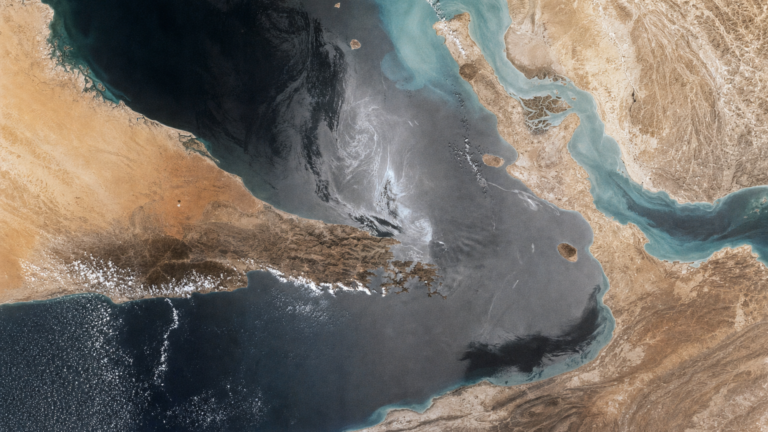
The New York Times reported that analysts now anticipate Brent prices to stay elevated through the remainder of the year given the persistent risks to Middle East energy flows. Attacks on Saudi Aramco installations, including a refinery with 400,000 barrels per day capacity in Jizan, have compounded worries after US strikes on Iranian tankers in the Strait of Hormuz. Iran has responded by declaring new shipping controls in the waterway, through which roughly seven million barrels of crude and products move daily according to industry estimates. The Washington Post added that these developments have already pushed US gasoline prices to record levels for the Labor Day period.
Goldman Sachs analysts, as cited by multiple outlets including The New York Times, have revised forecasts to suggest Brent could reach $120 a barrel if current skirmishes continue to limit oil shipments into year end. Bank of America similarly projected a range of $95 to $120 under sustained disruptions, with potential spikes to $150 in the event of major infrastructure damage. FX Empire data indicated that the US Strategic Petroleum Reserve has fallen to approximately 286.6 million barrels, its lowest level since November 1982, limiting options for offsetting any prolonged shortfall.
An earlier EIA outlook from August projected Brent to average around $85 per barrel in the third quarter of 2026 before easing later in the year, though the agency noted assumptions of ongoing Hormuz constraints that have since intensified. The EIA further estimated that global oil inventories declined by an average of 4.2 million barrels per day in the second quarter. Recent events have prompted several banks to lift their end-2026 price outlooks. The South China Morning Post reported that the developments have also begun to dampen import appetite in China, the world’s largest net crude buyer.
Bloomberg reported that the European Central Bank is expected to consider further interest rate adjustments amid the energy-driven inflation risks, while Treasury Secretary Scott Bessent suggested prices could retreat sharply to the $40 to $50 range if Hormuz traffic normalizes. The collective market reaction underscores the thin margin for supply in an environment where pre-conflict flows through the strait once exceeded 20 million barrels daily. Industry observers continue to monitor diplomatic channels for any de-escalation that could ease the current premium in crude futures.