 ع
ع



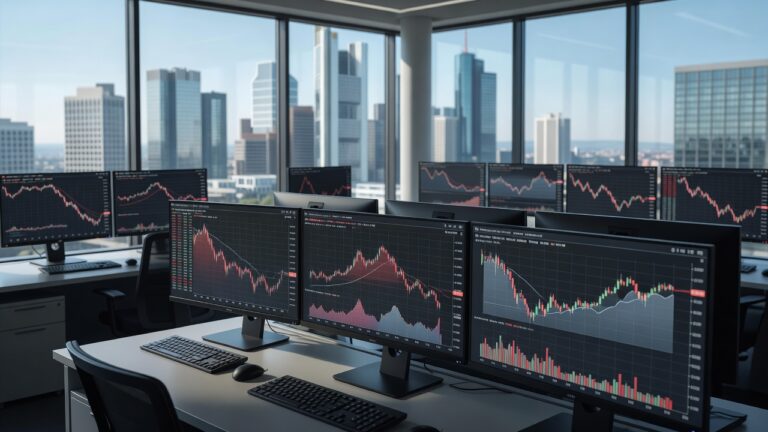
The Statistical Centre for the Cooperation Council for the Arab Countries of the Gulf released annual data showing that GCC financial markets handled approximately 401.7 billion shares in 2025, a 19.5 percent rise compared with 2024, while the value of those trades reached around $618 billion. This performance occurred as the composite general index closed the year at approximately 165.2 points, marking a 3.8 percent decline from the end of 2024, even as total market capitalisation settled near $3.9 trillion after a 6.2 percent retreat. The figures underscore sustained investor engagement across the region’s exchanges despite broader market fluctuations.
A total of 779 companies were listed on GCC stock markets by the end of 2025, according to the GCC-Stat compilation, with shares of 756 of those firms, or 97 percent, open to trading by citizens of the six member states. The eligibility rate for GCC nationals reached 100 percent on the Bahrain Bourse, Muscat Stock Exchange, Qatar Stock Exchange and Boursa Kuwait, the centre’s statistics indicate, facilitating greater cross-border participation within the bloc. Such accessibility aligns with ongoing efforts to deepen integration among the Gulf economies.
Regulatory and legislative advancements swept through GCC financial markets throughout 2025, the GCC-Stat assessment found, covering enhanced oversight of both financial markets and investment funds. Refinements to offering and listing rules accompanied stronger corporate governance standards while authorities focused on regulating trading conduct and improving market-making mechanisms. These steps formed part of a wider push that also expanded digital platforms and financial technologies across the bourses.
Risk-based supervision gained further ground that year as financial market infrastructure continued to develop, according to the centre, with capital adequacy frameworks undergoing modernisation to support evolving market needs. Sustainability-related disclosures expanded significantly while systems governing the electronic issuance of securities received upgrades, adding layers of transparency and efficiency. The cumulative effect of these measures positioned the markets for greater resilience amid global economic shifts.
The 2025 data from the GCC Statistical Centre builds upon patterns observed in preceding years, when earlier centre reports placed 2024 trading volumes at lower levels before the subsequent 19.5 percent advance. Market capitalisation and index movements reflected responses to regional economic diversification initiatives and external pressures, including commodity price volatility. The annual release offers a consolidated view that highlights both quantitative trading metrics and the qualitative regulatory progress shaping Gulf capital markets.