 ع
ع


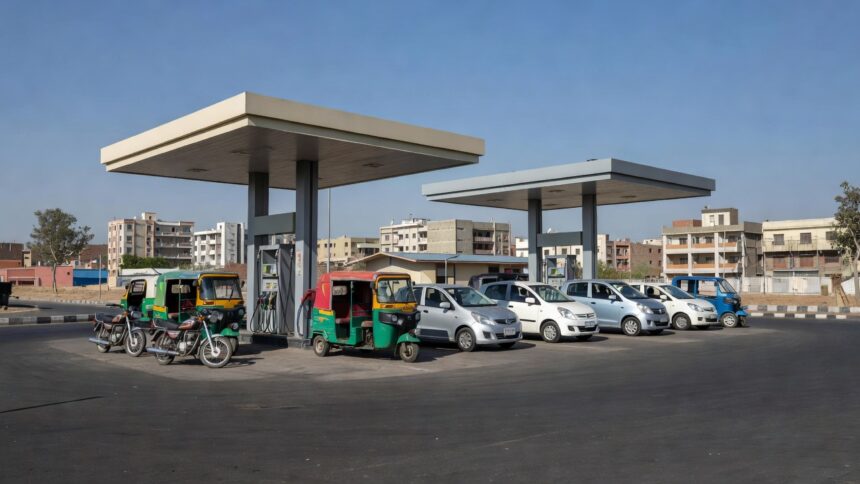
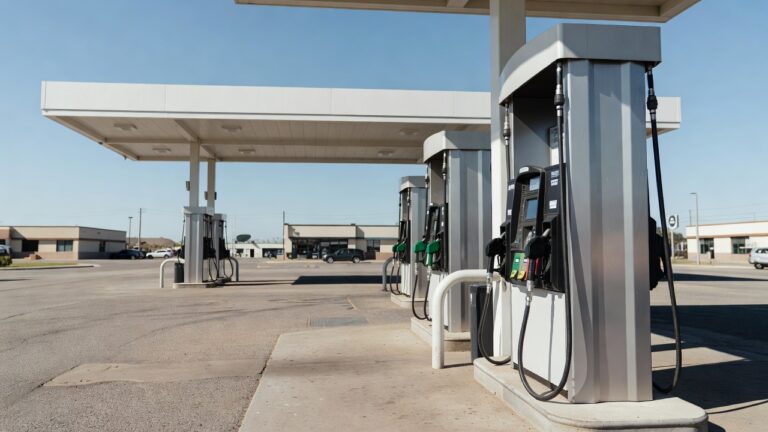
Prime Minister Shehbaz Sharif announced a special relief scheme providing Rs100 per litre subsidy on petrol for motorcycles, rickshaws, Qingqis and other two- and three-wheelers as well as vehicles with engines up to 800cc. Under the programme, which the Prime Minister’s Office detailed in a statement, eligible two- and three-wheeler users will receive the relief on up to 20 litres per month while owners of cars up to 800cc qualify for support on up to 30 litres monthly. The move follows a fresh fuel price increase announced on Friday that lifted petrol to Rs375.82 per litre and high-speed diesel to Rs403.32 per litre, according to official notifications.
Registration for the scheme opened immediately on September 13 with applicants required to send an SMS containing “REG” followed by their CNIC number, vehicle registration details, provincial code and registration date to the short code 9771. The Prime Minister’s Office said the government would conduct a public awareness campaign to explain the process and that the relief would be delivered through a token system at petrol stations. The programme takes effect in Islamabad from the intervening night of September 14 and 15 while rollout across the rest of the country, including Azad Jammu and Kashmir and Gilgit-Baltistan, begins from the intervening night of September 16 and 17.
Prime Minister Shehbaz Sharif said the government fully understood the additional burden placed on citizens by rising oil prices linked to tensions in the Middle East. “In this hour of difficulty, we will not leave the public alone,” he stated in the announcement. The prime minister thanked provincial governments for supplying data on motorcycles, rickshaws and small cars to enable swift registration under the targeted initiative.
The subsidy focuses on modes of transport that serve daily commuting and small-scale commercial needs for millions of lower- and middle-income households. A statement from the Prime Minister’s Office framed the measure as an immediate response to global price volatility that has compounded domestic cost-of-living pressures in recent weeks. Coordination among the Petroleum Division, oil marketing companies and provincial authorities will ensure smooth implementation at the retail level.
Pakistan has previously deployed similar relief measures to cushion consumers from fuel price swings. In 2024 a federal minister distributed free petrol worth Rs10 million to 10,000 motorcyclists and rickshaw drivers in one constituency alone as part of an ongoing programme, according to contemporary reports from the Pakistan Press International. The current scheme builds on that approach by using a digital registration process to reach a wider pool of beneficiaries more efficiently.
The government has also pursued longer-term strategies to reduce reliance on imported fuel. The National Electric Vehicle Policy 2025-30, launched in June 2025, projects annual savings of 2.07 billion litres of fuel and nearly USD 1 billion in foreign exchange through accelerated adoption of electric bikes and rickshaws, according to the policy document released by the Prime Minister’s office at the time. That framework reserves 25 percent of initial subsidies for women and anticipates broader reductions in carbon emissions and healthcare costs tied to air pollution.