ع




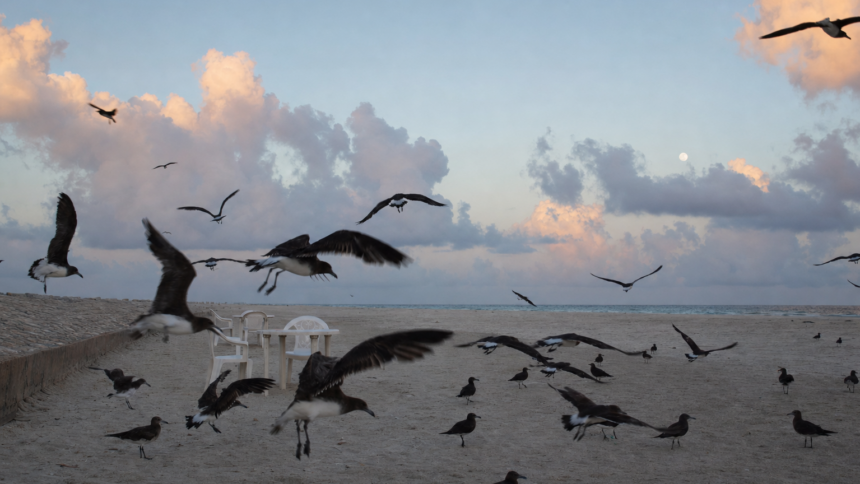
The Abu Dhabi Fund for Development issued a statement marking World Tourism Day in which it detailed how its financing activities promote sustainable tourism as a driver of economic diversification, local economic strengthening and long-term value creation across partner nations. Through targeted projects, the fund connects tourism assets to supporting infrastructure, improved connectivity and enhanced local capabilities that bolster entire destinations rather than isolated sites. Rashed Al Kaabi, acting deputy director general and executive director of the investment sector at ADFD, said, “Investment in tourism can create value across the wider economy, supporting diversification, attracting investment and generating opportunities for local communities.” Al Kaabi added that ADFD evaluates projects according to their broader economic impact, backing infrastructure and assets that strengthen destinations and contribute to sustainable growth. This approach ensures tourism investments deliver benefits that extend well beyond the hospitality sector itself.
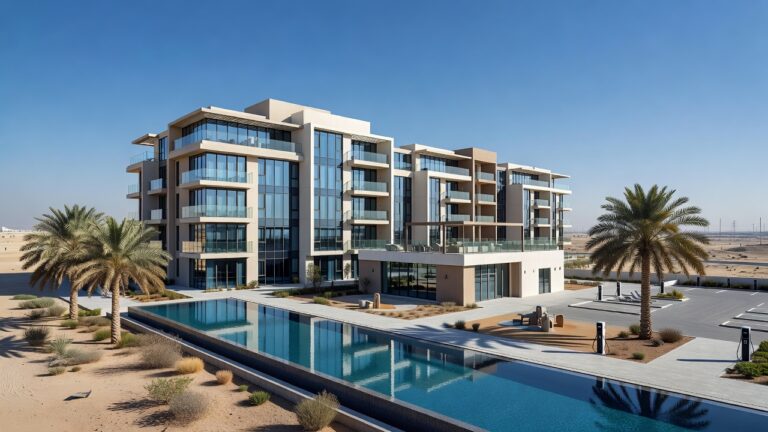
ADFD’s existing portfolio demonstrates the application of this strategy in multiple countries. The fund has provided AED440 million for the Sofitel Legend Pyramids Giza project in Egypt, positioning the development near one of the country’s premier cultural landmarks to amplify visitor access and economic returns. In Oman the fund is supporting an AED764.5 million tourism complex in Salalah that covers 2.5 million square metres and incorporates hospitality venues, a marina, coastal improvements, road networks and public utilities. These elements work together to transform the site into a comprehensive destination that serves both tourists and surrounding communities. The scale of the Salalah undertaking illustrates how tourism spending can be leveraged to fund foundational infrastructure projects.
Support for the Asilah Museum in Morocco forms another element of ADFD’s tourism-related activities, reinforcing cultural infrastructure while preserving and presenting the city’s heritage for visitors. The initiative has helped elevate the destination’s appeal, drawing additional tourists whose spending circulates through the local economy and creates ancillary jobs. ADFD noted that such cultural investments form part of a deliberate pattern in which tourism is deliberately linked to heritage preservation, infrastructure rollout and expanded economic participation. The museum project stands as an example of how targeted funding can yield both conservation gains and measurable commercial activity.
The fund’s emphasis on sustainable tourism corresponds with international standards for responsible sector investment. A joint framework developed by the United Nations Conference on Trade and Development and the World Tourism Organization sets guiding principles that encourage tourism investments to catalyze wider socioeconomic transformation and build resilience. Those principles underscore alignment with sustainable development goals spanning economic, social and environmental outcomes. ADFD’s project selection process appears to incorporate similar considerations when assessing tourism opportunities in partner countries.
ADFD incorporates sustainability across its operations by prioritizing investments consistent with the United Nations Sustainable Development Goals. The organization extends concessional loans and grants to public entities for infrastructure, healthcare, education and related fields that produce lasting socioeconomic results. Its approach blends direct, indirect and nongovernmental financing vehicles to stimulate activity while mitigating risks and reinforcing financial resilience in recipient markets. This structured methodology allows the fund to address multiple development priorities simultaneously.
In practice these investments assist partner countries in broadening their economic bases beyond traditional activities while cultivating expertise in tourism services and associated industries. The Salalah complex, for instance, integrates extensive road and utility networks that benefit both visitors and local populations on an ongoing basis. Comparable projects are positioned to generate direct employment during construction and operations as well as indirect opportunities through supply chains and small-business development. ADFD indicated that continued attention to such integrated models will remain central to its support for tourism in developing destinations.