ع




The White House said in a fact sheet that President Donald Trump signed the proclamation under Section 338 of the Tariff Act of 1930 to refine the scope of existing tariffs on Canadian imports. The adjustments exempt plywood sheets, some paper products, certain machinery and refrigeration equipment, packing crates and boxes as well as fresh and dried seaweed from the 50 percent duties. The fact sheet added that new 50 percent tariffs will apply to other Canadian goods including carpets, paints, waste products, shampoos, cocoa powder, wooden coffins, ice cream sticks, air-conditioning machines, chest freezers, archery equipment and canoes to offset the relief. These changes take effect on October 30 for goods entered for consumption.
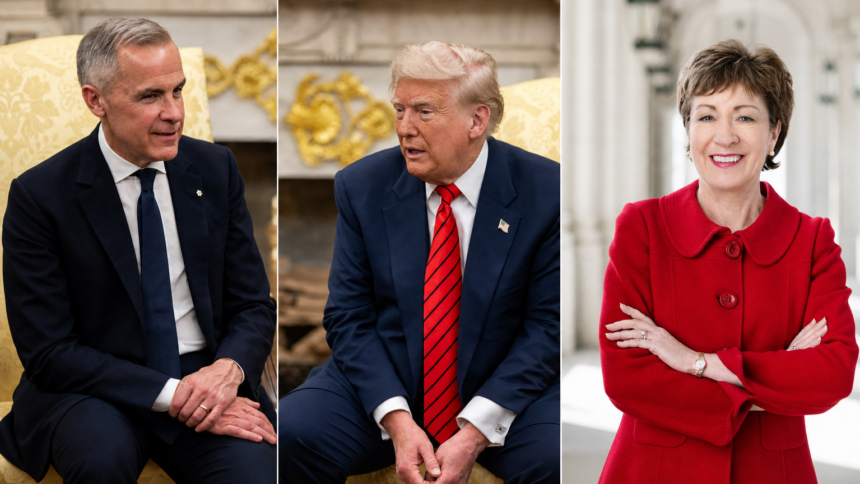
Reuters reported that the decision coincides with a tight reelection race for Republican Senator Susan Collins of Maine, who had requested the tariff relief for products important to her state’s economy. Collins said the exemptions would aid blueberry, potato, apple and seaweed producers in Maine. She added that many farmers and growers rely on specialized equipment, packaging materials and other products from Canada that are either unavailable from American suppliers or cannot be replaced without incurring significant expense. The senator described the items as vital to rural and coastal communities.
The White House fact sheet stated that the original 50 percent tariffs were imposed after Canada walked away from a near-final trade deal this past summer and placed retaliatory duties on about 20 billion dollars of US exports. Trump had cited Canada’s discriminatory treatment of American motor vehicle, dairy and alcohol products as the reason for the initial measures. Canada responded with its own tariffs ranging from 15 to 50 percent on an equivalent value of American goods, according to Reuters.
A separate White House proclamation detailed that the Section 338 tariffs apply to all covered goods regardless of USMCA origin and in addition to duties under Section 232 of the Trade Expansion Act of 1962. The modifications represent the latest refinement since the tariffs were first announced in July and adjusted in September. The fact sheet emphasized that the steps continue to address Canada’s actions while better serving the public interest.
Trump told reporters on October 23 that Canada is working very hard to make a deal with the United States. He noted that the US has all the cards in the negotiations. Reuters reported that the standoff has widened a rift between the longtime allies, with Canadian Prime Minister Mark Carney calling for reduced dependence on the US market following the breakdown in talks.
Collins announced the exemptions on social media, framing them as support for Maine’s agricultural sector ahead of the November midterm elections. Her Democratic opponent countered that the adjustment amounted to minimal relief after broader disruptions from the trade dispute. The White House said the overall policy protects American farmers, manufacturers and workers from unfair practices.