
 ع
ع



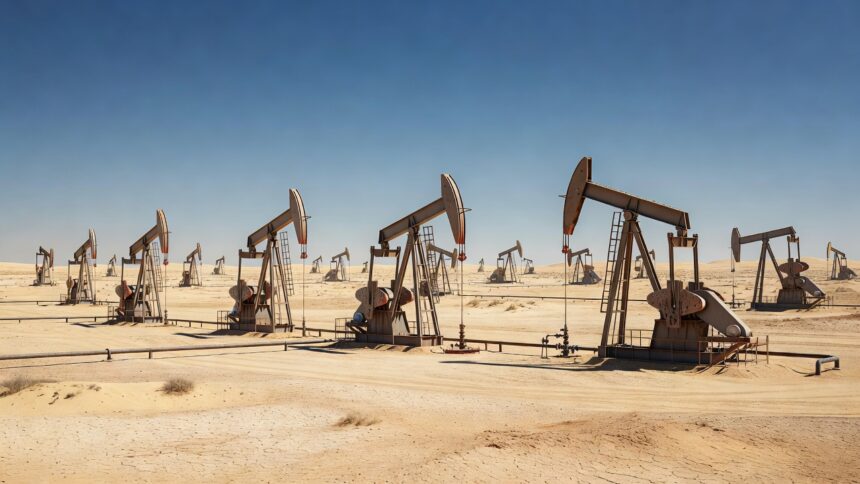
Reuters reported that Brent crude futures declined 34 cents or 0.4 percent to $93.44 a barrel by early Friday while West Texas Intermediate crude slipped 44 cents or 0.5 percent to $86.76 a barrel. Both benchmarks had surged more than 2 percent in the prior session with Brent climbing 2.4 percent and WTI advancing 2.3 percent. The contracts posted gains exceeding 7 percent for Brent and 8 percent for WTI over the previous five trading days reaching their highest levels since July 24. Such movements reflect persistent concerns over curtailed production from several Gulf nations amid the conflict.
The stalemated US-Iran war has curtailed exports from major producers including Saudi Arabia, Iraq, the United Arab Emirates and Kuwait according to Reuters. A prior peace agreement between Washington and Tehran expired this week without any apparent moves to revive negotiations. US President Donald Trump issued a fresh warning on Wednesday of “economic warfare and isolation on an unprecedented scale” against any nation offering support to Iran. The conflict erupted on February 28 with US and Israeli military strikes on Iranian targets resulting in thousands of deaths Reuters noted.
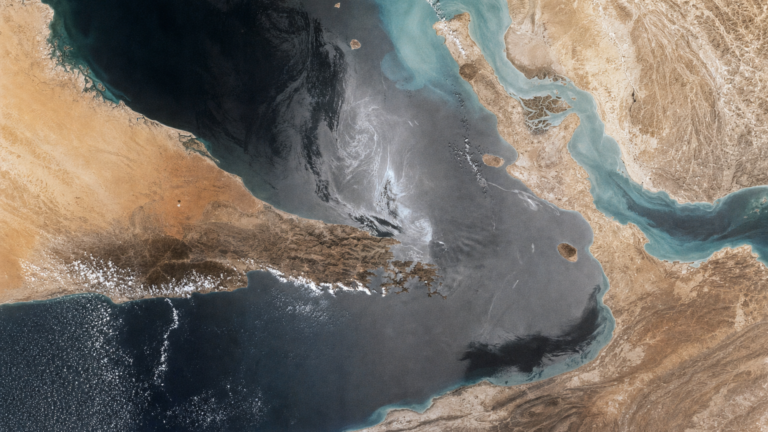
Ship tracking data from Kpler cited by Reuters showed just seven commodity vessels sailing through the Strait of Hormuz on Thursday half the tally from the previous day. The waterway carried roughly one-fifth of global oil consumption before the war began. Reuters indicated that both Iranian actions and a US naval blockade have combined with Houthi disruptions in the Red Sea to place considerable pressure on regional exports.
The International Energy Agency’s August 2026 Oil Market Report projected a global oil supply decline of 4.3 million barrels per day this year as a direct result of the Hormuz restrictions and related chokepoints. Pre-war flows through the strait averaged around 21 million barrels per day the IEA data shows with limited bypass options available for Gulf producers. The agency has repeatedly downgraded its supply forecasts since the conflict intensified noting cumulative losses already exceed several hundred million barrels.
IG analyst Tony Sycamore said both sides are dug in but lacking the luxury of time to play the waiting game against a backdrop of crude prices grinding unerringly higher. BMI a unit of Fitch Solutions stated it would review its Brent price outlook this month with risks tilted to the upside. The firm highlighted twin disruptions in the Strait of Hormuz and the Red Sea as key factors keeping exports under strain according to the Reuters dispatch.
Reuters assessments have tracked how oil benchmarks have displayed heightened volatility since the war’s outbreak with several brief rallies tied to renewed threats against tanker movements. The latest weekly advance builds on gains recorded in preceding sessions as diplomatic efforts appeared to stall. Market participants continue to monitor developments around potential reopenings of critical shipping lanes that could ease the current supply tightness.