 ع
ع


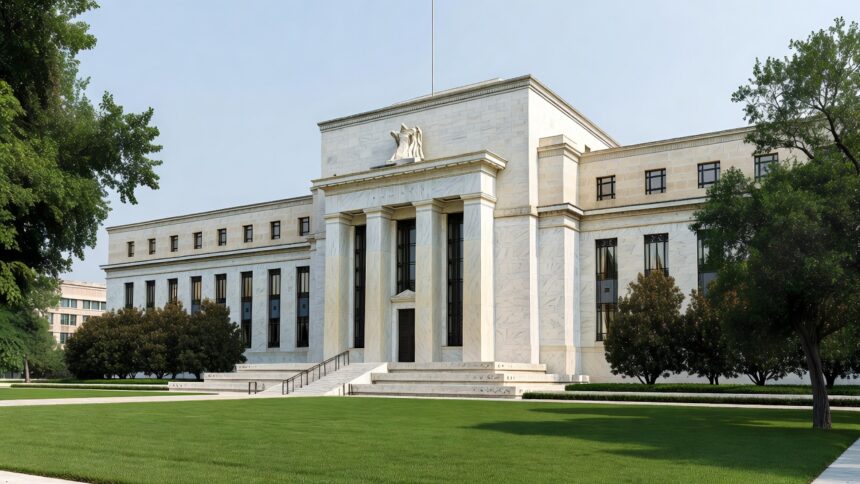
Qatar National Bank detailed in a report published on August 1, 2026, that US monetary policy under Federal Reserve Chair Kevin Warsh could see a reassessment of the balance between forward guidance and policymaker flexibility. The bank’s weekly commentary highlighted how this potential shift responds to increasingly complex economic challenges that have emerged in recent years. QNB noted that greater transparency has benefits but excessive commitments can limit effective responses to shocks.
The report from QNB traced the evolution of US monetary policy over the past two decades, moving from a discretion-focused framework under former Chair Alan Greenspan to one with enhanced communication following the Global Financial Crisis. According to the analysis, the period from 1987 to 2006 emphasized preserving flexibility in an uncertain environment. Data from the Federal Reserve indicate that the crisis of 2007-2009 pushed the federal funds rate to near zero, making forward guidance a critical tool. QNB’s assessment found that these changes strengthened policy transmission to markets.
Forward guidance helped reduce borrowing costs and bolster economic activity during the post-crisis recovery, QNB reported. The bank pointed to a series of shocks including the dot-com bubble collapse, the Covid-19 pandemic, trade tensions and geopolitical conflicts that underscored the value of clear communication. QNB reported that these events reinforced communication as a complement to conventional tools.
Current conditions differ from the post-Global Financial Crisis era, with recurring supply shocks, geopolitical uncertainty, trade conflicts and advances in artificial intelligence creating new demands on policy, according to the QNB report. The lender said these factors increase the need for policy flexibility to adapt quickly. In its January 2026 economic commentary, QNB projected that the Fed would lower the funds rate to 3.5 percent by the end of 2026.
QNB observed that Chair Warsh has initiated reviews of the Fed’s communication practices through internal task teams, indicating openness to adjusting established frameworks. The report suggested this could lead to less emphasis on detailed forward guidance in favor of greater responsiveness. Such changes would align with an environment where rapid developments require nimble decision-making.
The future of US monetary policy will hinge on balancing market clarity with the flexibility to address changing conditions, QNB concluded in the August 1 document. The bank’s analysis placed primary importance on developments in inflation, economic growth and global financial markets. Separately, QNB forecasted US economic growth at around 2.2 percent for 2026 while projecting global expansion of 3.2 percent.