

 ع
ع



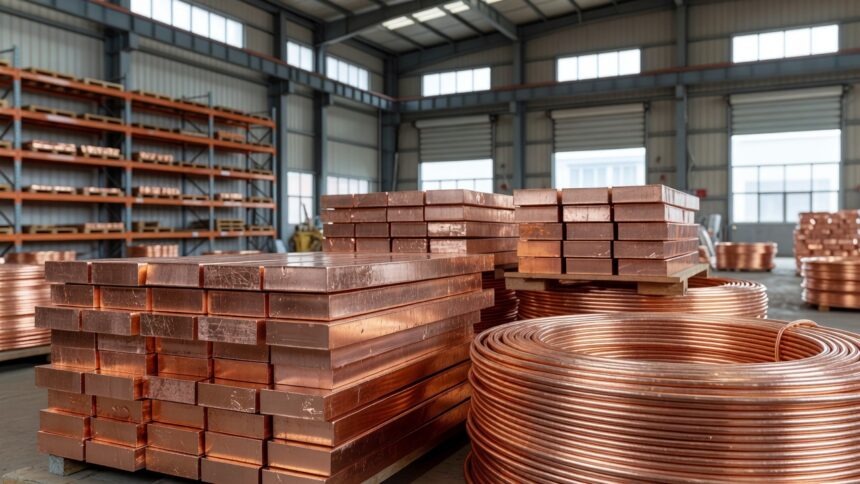
Qatar National Bank stated in its weekly report released on August 15, 2026 that copper prices are set to register further gains as structural demand growth collides with limited supply additions. The analysis placed current levels around 6.20 dollars per pound, still below inflation-adjusted peaks from previous cycles and therefore with additional upside potential. QNB emphasised that the metal’s role in future technologies makes demand relatively inelastic to near-term macroeconomic shifts.
Demand for copper in the energy transition requires between two and five times more of the metal per unit of installed capacity than traditional fossil fuel systems, according to the QNB report. Grid upgrades, battery storage installations and electric vehicle charging networks add to this baseline requirement across decarbonisation pathways. The bank identified electrification as the central force binding these trends together in long-term policy frameworks.
Artificial intelligence infrastructure has emerged as a complementary driver, with data centres and semiconductor facilities consuming large volumes of copper to support elevated power densities. QNB suggested AI-related needs could eventually rival those of the electric vehicle market in scale. These developments reinforce the metal’s position in both digital transformation and clean energy initiatives.
Supply responses remain muted, with global mine production growth projected to stay subdued in 2026 amid operational shortfalls at major producers including Codelco, the QNB assessment found. Insufficient capital spending relative to asset depreciation and development lead times of 10 to 15 years from discovery to first output limit new capacity before the early 2030s. Scrap copper recycling provides only short-term relief for smelters facing concentrate shortages.
Supporting research from S&P Global in January 2026 projected the copper supply gap could reach 10 million metric tons by 2040 under accelerated electrification scenarios even after accounting for doubled scrap supply. The International Energy Agency has separately anticipated a potential 30 percent market deficit by 2035 based on current project pipelines and declining ore grades. Copper prices had already touched records above 13,000 dollars per tonne in early 2026 according to market data compiled by the agency.
Analyst consensus for the remainder of 2026 clusters around 12,000 dollars per metric tonne on average, with bullish cases from institutions such as Citigroup reaching toward 15,000 dollars per tonne if inventories stay tight. J.P. Morgan’s commodities team forecast settlement prices between 12,500 and 13,500 dollars per tonne through the fourth quarter under base assumptions. These outlooks reflect a market transition from cyclical patterns toward persistent structural tightness.
The QNB report noted that global economic activity has demonstrated capacity to absorb elevated copper costs given the metal’s indispensable function in strategic sectors. Comparisons with the 2008 commodity super-cycle illustrate how sustained demand pressures can support higher real price levels over extended periods. Participants will track mining investment trends and efficiency gains for indications of future market rebalancing.