 ع


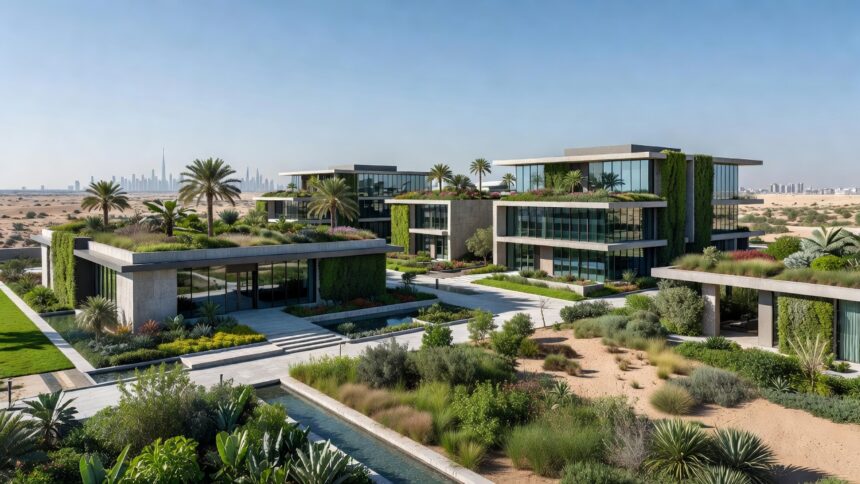
A release distributed by Sherpa Communications on behalf of R.Evolution detailed four shifts that are moving UAE real estate beyond traditional sustainability toward regenerative models. The company is applying these principles to its residential developments as buyer expectations and regulatory demands evolve in tandem. This transition incorporates natural systems into project design while addressing resource constraints that have long shaped construction in the arid region. The statement positioned regenerative real estate as responsive to both market signals and national environmental targets.
One factor centers on elevating nature as a metric of residential quality. Knight Frank research found that high-net-worth individuals evaluating Dubai properties increasingly weigh proximity to parks and green spaces in their decisions. The data reflects broader changes in how buyers assess living environments with environmental integration gaining priority alongside location and amenities. Developers have begun embedding these considerations more fully into planning processes.
Wellness outcomes form a second element according to the release. The UAE wellness real estate sector reached USD 14.6 billion in 2025 while global projections place the market at USD 1.8 trillion by 2030. Dubai has expanded its supporting infrastructure through the Dubai Longevity Authority which promotes initiatives around healthy life expectancy. These developments align regenerative design with growing demand for properties that enhance resident health.
The release identified resource regeneration as a further consideration for developers. World Green Building Council figures show the built environment accounts for around 15 percent of global freshwater use. This statistic holds added relevance in the Middle East where water scarcity requires careful management in all new projects. Regenerative approaches seek to restore local resources rather than deplete them over time.
National planning frameworks provide additional momentum for such models. The Dubai 2040 Urban Master Plan aims to double green and recreational spaces while protecting substantial areas as natural reserves according to government planning documents. The UAE has also committed to net zero emissions by 2050 with particular focus on reducing building sector impacts. These policies create conditions that favor regenerative techniques across new developments.
Sustainable properties have demonstrated measurable economic advantages in the current market. RGP Properties data indicates eco-conscious homes in Dubai command price premiums of 5 to 15 percent and deliver up to 30 percent reductions in energy bills. Demand for such units grew markedly in 2025 as both investors and residents placed greater value on efficiency and long-term resilience. R.Evolution described its adoption of regenerative principles as an early step that anticipates wider industry uptake in the Middle East.