 ع
ع


A Bloomingdale’s refresh in Kuwait and a regional market estimate tell the same story: the Gulf’s interiors industry increasingly earns its living from buildings that already exist.
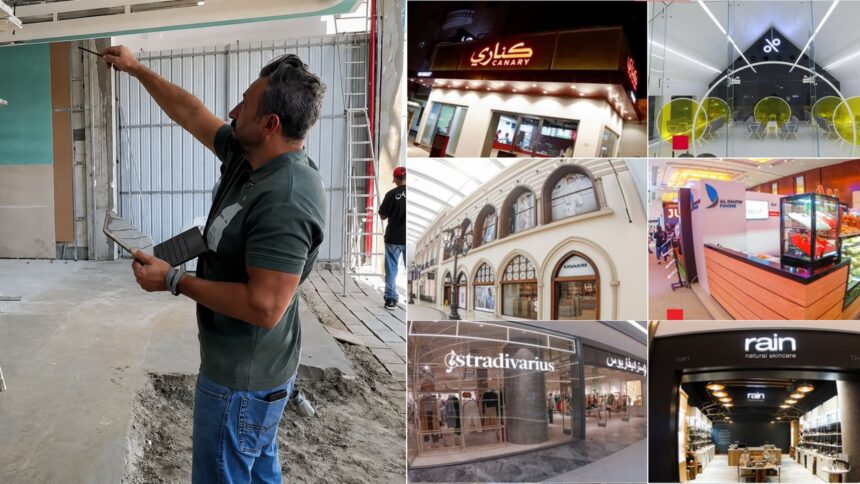
On the ground floor of 360 Mall, behind hoarding that promises shoppers the store will be back in a New York minute, Bloomingdale’s Kuwait is being renovated in its tenth year of trading. The store opened in March 2017 as the second international Bloomingdale’s after Dubai, a three-level anchor of more than 93,000 square feet operated by Al Tayer Group under licence from Macy’s Inc. The contractor’s boards on site carry the name of Dahan, the Kuwaiti fit-out specialist, according to the firm’s published project feed. It is a routine enough scene. It is also one of the most representative sites in the Gulf’s interiors economy right now.
The Bigger Half of the Market
Mordor Intelligence estimates the GCC interior design services market at 14.79 billion dollars in 2026, up from 13.76 billion last year and heading for 21.18 billion by 2031 at a 7.46 percent compound annual rate. The detail that matters sits inside the total: renovation activity accounts for 51.36 percent of current revenues, which Mordor reads as the mark of a mature market in which upgrade cycles cushion the industry from new-build volatility.
The Gulf’s first generation of destination retail is ageing into exactly those cycles. In Kuwait, 360 Mall has traded since 2009 and will shortly share the market with Aventura, the Mabanee development opening in Jaber Al-Ahmad this quarter. Incumbent malls and their anchor tenants defend footfall the only way available to them, through reinvestment, and an anchor refresh inside a trading mall is the visible edge of that spending.
What Renovation Work Actually Demands
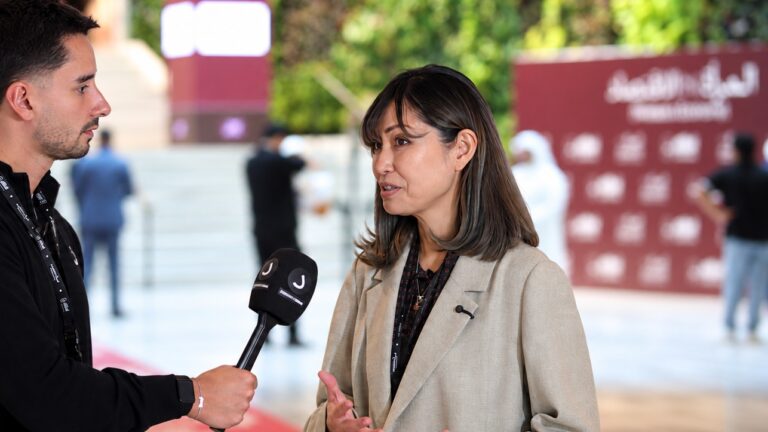
Refurbishment in a live environment is the most exacting version of the fit-out trade. The work is phased behind hoardings, sequenced around trading hours, and handed over to international brand standards while customers shop metres away. It rewards a specific corporate shape, and Dahan’s is instructive. The firm has operated as a dedicated fit-out contractor since 2003, and founder Sameer Al Dahan has been explicit about the model in interviews with MarcoPolis: the company is, in his words, purely an executor and builder, offering no design services, and it delivers turnkey scopes from flooring and ceilings to HVAC, firefighting and shopfront glazing. It controls the longest lead item in retail interiors by fabricating its own woodwork at Manjartak, its in-house joinery subsidiary. And its move into luxury retail, with completed work for Hermes, Dior, Gucci and Balenciaga, entrenched the documentation habits that live refurbishment requires: weekly schedule calls, cameras across the site, and paperwork built to the client’s standard rather than the contractor’s.
The same project feed that shows the Bloomingdale’s job also shows a new unit rising at Aventura and a standalone venue completed in Shuwaikh in July, a workload split almost exactly the way Mordor’s numbers describe the market: part renewal, part new build. Al Dahan has drawn the firm’s line on that second half himself: it stays well clear of private housing, he has said, but the standalone restaurant and the coffee shop are what the market now commonly wants, and those are the projects the firm enters as, in his words, structure and fit-out together.
Where Kuwait Sits in a Saudi-Led Market
The honest qualification is one of scale. Saudi Arabia held 39.05 percent of the GCC interiors market in 2025, by Mordor’s estimate, and the region’s largest fit-out mandates follow the giga-projects, with Mukaab, NEOM and Diriyah generating what the firm calls long-tail demand for specialised fit-outs; the UAE and Qatar are forecast to grow fastest, at a 9.51 percent annual rate through 2031. A single-market Kuwaiti specialist will not be lifting those packages. What it gives up in scale, however, it recovers in the economics Mordor identifies: renovation demand recurs on cycles measured in years, is tied to assets that are already trading, and is far less exposed to the launch-and-pause rhythm of mega-project pipelines.
Every retail asset in the Gulf is built once and renewed repeatedly, and as the region’s stock matures, the second business has quietly become the bigger one. It already accounts for more than half the market. The firms structured for it, execution-deep, joinery in-house, fluent in the standards of the brands they build for, are the ones whose hoardings keep appearing inside malls that opened a generation ago.