
 ع
ع



The UAE government has broadened its network of Comprehensive Economic Partnership Agreements to 38 since the programme began in September 2021, the Emirates News Agency reported on August 15. Recent milestones include conclusion of the UAE-Canada CEPA in July after only 47 days of negotiations, the fastest under the initiative, alongside new pacts with Gabon, the Republic of Congo, Kenya, Ukraine which entered into force on July 1, and Serbia. These agreements form part of a deliberate strategy to diversify export markets, strengthen private-sector competitiveness and position the country as a global trade and investment hub.
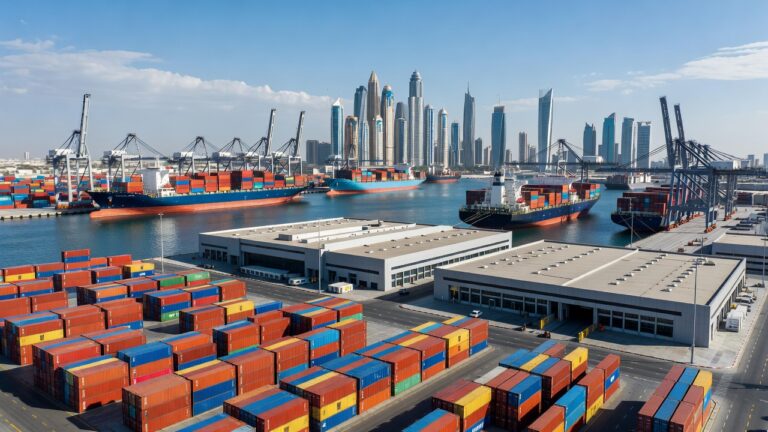
According to the WAM dispatch, non-oil foreign trade reached Dh1.937 trillion during the first six months of 2026 while non-oil exports rose to Dh452.8 billion. Trade with CEPA partner countries totalled approximately Dh304.3 billion in the period, including Dh107.5 billion in non-oil trade with India. The performance extends gains recorded in 2025 when full-year non-oil trade hit Dh3.8 trillion, reflecting 26 per cent growth, with exports increasing 45 per cent.
Ministry of Economy figures show the Canada agreement was announced jointly by Dr Thani bin Ahmed Al Zeyoudi and Canadian Minister of International Trade Maninder Sidhu. Al Zeyoudi described the rapid timeline as evidence of shared commitment to deepening economic ties. The Gabon CEPA targets opportunities in agriculture, logistics and renewable energy, illustrating how the agreements are tailored to mutual sectoral strengths.
The CEPA programme has secured deals across Asia with India, Indonesia and Türkiye, extended into Europe with Ukraine and Serbia, and advanced African partnerships with Kenya, Gabon and Congo. A New Zealand Ministry of Foreign Affairs and Trade assessment found UAE exports to early CEPA partners had tripled in the first half of 2025 relative to 2021-2022 levels. Such outcomes demonstrate how the agreements reduce tariffs, improve market access and support supply-chain resilience amid global uncertainties.
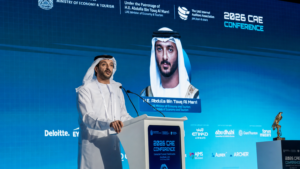
The latest developments were highlighted at the Make it in the Emirates 2026 event, where officials emphasised the role of these partnerships in reinforcing the national economy’s openness. WAM noted that the network helps national products compete internationally while expanding the base of tradable goods and services. Earlier CEPAs have already driven measurable increases in bilateral flows, particularly with established partners such as India where trade volumes have grown steadily since the agreement took effect.
Data compiled by the Ministry of Economy place the cumulative impact of the CEPA framework at sustained double-digit growth rates for non-oil exports in partner markets. The approach aligns with longer-term economic diversification objectives that have guided UAE policy since the launch of the programme five years ago. Officials continue to pursue additional agreements to further broaden the country’s global trade relationships.