ع




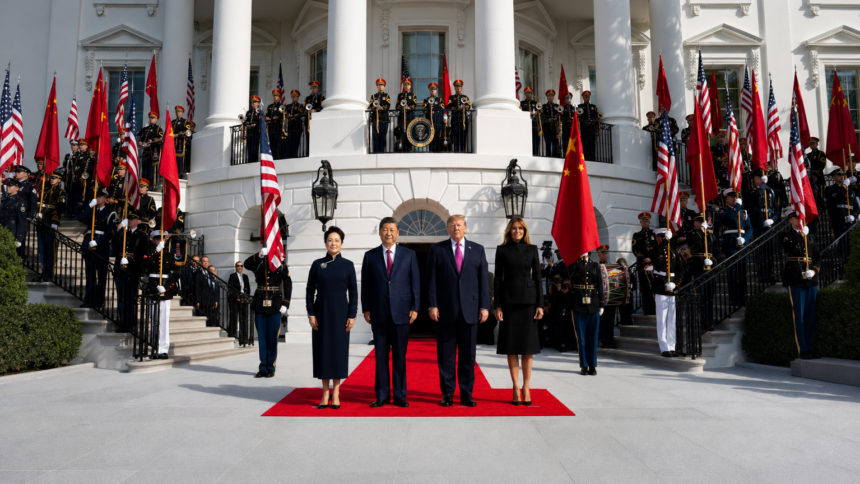
The White House announced the agreement late on September 25 shortly after the two presidents wrapped up their meetings in Washington. According to the Chinese Foreign Ministry the tariff reductions formed part of an eight-point consensus that also included launching a dialogue on artificial intelligence. The deal covers specific categories with the United States lowering duties on Chinese toys small appliances holiday decorations and children’s car seats while China cuts tariffs on American agricultural products seafood wood items cosmetics and medical devices.
A Nikkei Asia report detailed that the arrangement calls for China to import 10 million metric tons of United States coal in both 2027 and 2028 after previous cuts in purchases during heightened trade friction. The White House described the tariff relief as advancing a fair and reciprocal economic relationship between the world’s two largest economies. Reuters reported that the agreement extends outcomes from earlier consultations held in Kuala Lumpur and establishes a bilateral trade council.
The Chinese Foreign Ministry stated that the two sides will hold their first AI dialogue in November to exchange views on the technology’s risks and benefits. In addition they will set up a dedicated communication channel to manage any AI-related incidents that may arise. The summit between Trump and Xi which ran from September 23 to 25 emphasized personal diplomacy according to multiple accounts from officials on both sides.
This latest accord builds on a prior decision to extend an existing trade truce by two months beyond its November 10 expiration as confirmed by Treasury Secretary Scott Bessent earlier in the week. The extension provided additional time for negotiations on broader economic matters including agricultural purchases and financial services. Chinese state media noted that Xi has since returned to Beijing following the visit.
The reciprocal nature of the tariff cuts aims to address imbalances in specific sectors without touching more sensitive areas such as rare earth minerals that have featured prominently in past disputes. A Business Today dispatch indicated that the United States will also see benefits in reduced prices for certain consumer goods amid ongoing inflation concerns. Both governments endorsed the work of their economic teams in reaching the consensus the Chinese Foreign Ministry added.
Further details from the White House fact sheet remained vague on the exact tariff percentage reductions but emphasized the nonsensitive character of the covered goods. The agreement arrives after a period of elevated tensions that saw tariffs imposed on hundreds of billions of dollars in bilateral trade. Officials from both sides described the outcome as a step toward stabilizing economic relations ahead of upcoming international gatherings including the Asia-Pacific Economic Cooperation meeting.