 ع
ع


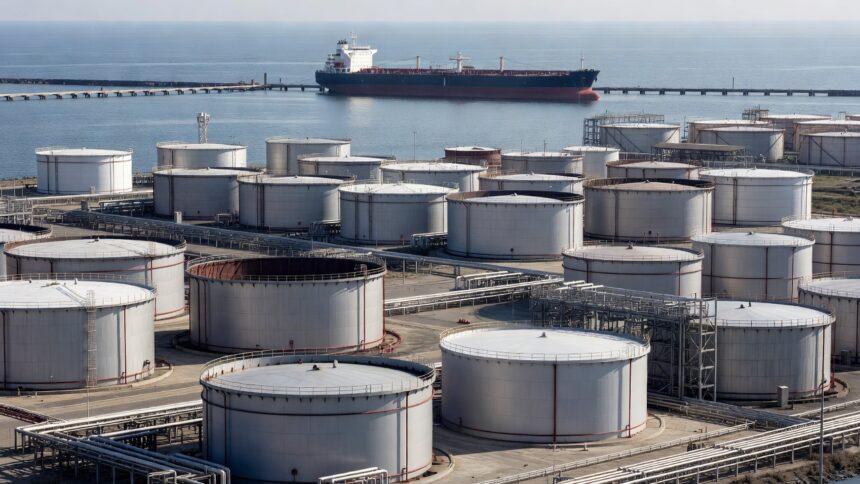
The Abu Dhabi National Oil Company has signed a long-term energy security partnership with South Korea that will expand cooperation across crude supply, emergency coordination during supply crises and strategic storage, the company said on July 8, 2026. ADNOC Group CEO Sultan Ahmed Al Jaber announced the deal while visiting Seoul, where he met with South Korean officials including Industry Minister Kim Jung-kwan to advance bilateral energy ties that date back more than four decades. The agreement extends a March commitment under which the United Arab Emirates pledged priority access to up to 24 million barrels of oil for the Asian importer facing regional uncertainties.
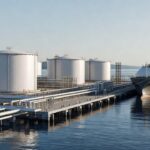
Under the new pact, the parties will work to increase long-term crude deliveries to South Korean refiners and improve joint responses to emergency situations, including the identification of alternative export pathways when traditional routes face disruption. ADNOC added that South Korea will support negotiations for the company’s access to crude storage facilities in the country, particularly those integrated with local refining assets. This collaboration aims to bolster supply chain resilience for both nations in an increasingly complex global energy landscape, according to the Abu Dhabi-based firm.
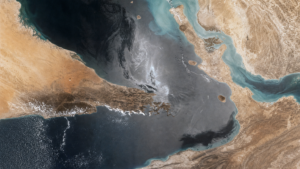
South Korea depends almost entirely on imported energy and derives approximately 70 percent of its oil from the Middle East, making stable partnerships with producers such as the UAE a strategic imperative, a Reuters assessment found. The government has actively pursued diversification, securing 273 million barrels of crude oil from the Middle East and Kazakhstan through routes bypassing the Strait of Hormuz for the remainder of 2026, according to presidential chief of staff Kang Hoon-sik in an April briefing. International Energy Agency data places South Korea among the economies most exposed to Middle East supply dynamics for both oil and natural gas.
Kim Jung-kwan emphasized the need to reinforce strategic links with the UAE during the July 8 discussions with Al Jaber. “The Korean government needs to strengthen our strategic partnership with the UAE, a key energy supplier,” he said. The minister described securing stable core resource supply chains as a critical ongoing task amid shifts in the Middle East situation.
ADNOC stated that the partnership reinforces its position as a reliable and resilient energy provider across Asia while building upon established cooperation in multiple sectors. The company has expanded its international engagements in 2026 with several agreements, including a 15-year sales contract for liquefied natural gas from the Ruwais project with Japan’s INPEX Corporation announced days earlier. Such moves reflect ADNOC’s broader strategy to deepen value chains and support partner nations’ energy security requirements.
The U.S. Energy Information Administration has tracked South Korea as the world’s fourth-largest crude oil importer, with import volumes hovering near 2.6 million barrels per day in recent assessments despite efficiency gains and alternative sourcing. Efforts to reduce Middle East reliance saw the share drop to 56 percent in some months of 2026 through increased purchases from the Americas and Africa, government figures show. The ADNOC agreement is expected to contribute to South Korea’s strategic stockpiling goals while opening further commercial avenues for the UAE producer in one of Asia’s key refining hubs.