 ع
ع


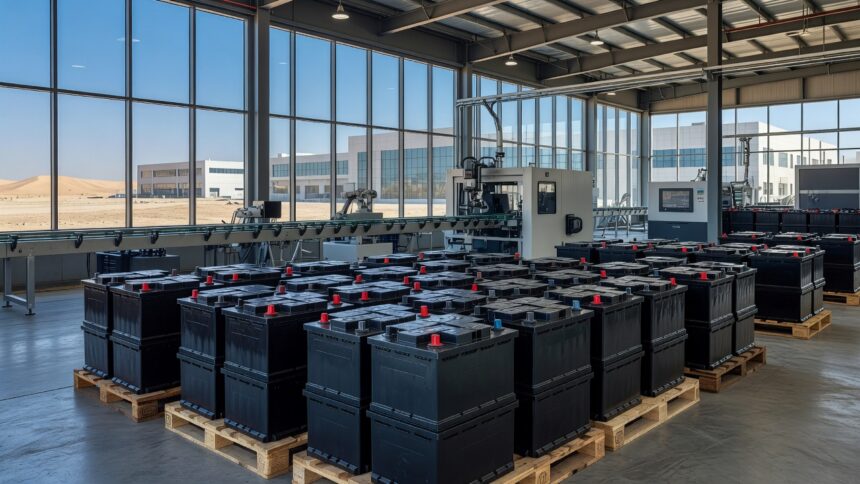
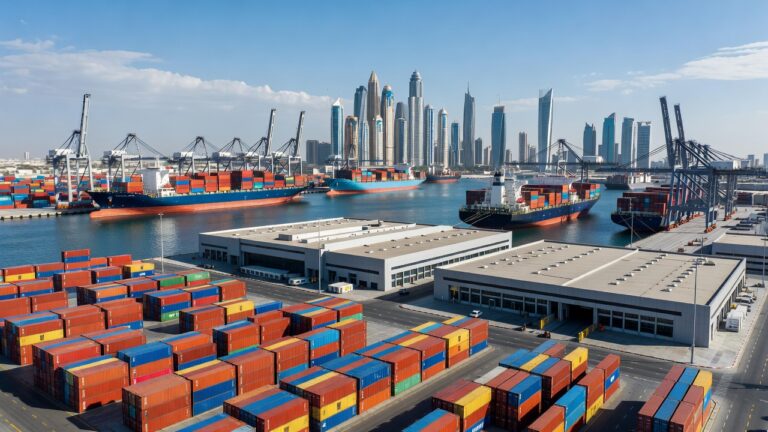
The Ministry of Commerce and Industry issued Decision No. 48 of 2026 applying definitive anti-dumping duties on electric accumulators under HS code 8507.1000. Imports from China face rates ranging from 25.8 percent to 74 percent while shipments from Malaysia incur duties from 43.2 percent to 77 percent. These margins reflect the dumping margins calculated for individual producers and exporters during the investigation. The duties take effect immediately and will apply for a period not exceeding five years.[[1]](https://qna.org.qa/en/News-Area/News/2026-7/9/moci-imposes-final-anti-dumping-duties-on-imported-electric-batteries)
Qatar News Agency reported that the decision follows approval by the GCC Ministerial Committee on the recommendation of the Permanent Committee for Anti-Injurious Practices in International Trade. The measure aims to address injury to domestic industry caused by below-cost imports that reduced market share and profitability for local manufacturers. Comparable definitive duties were imposed on similar batteries from Turkey and India in October 2022 under an earlier GCC ruling.[[2]](https://www.moet.gov.ae/documents/20121/0/%D8%AA%D8%B9%D9%85%D9%8A%D9%85+%D9%82%D8%B1%D8%A7%D8%B1+%D8%A7%D9%84%D8%A8%D8%B7%D8%A7%D8%B1%D9%8A%D8%A7%D8%AA-+Eng.pdf/66f423a2-df5d-3207-97ec-507e592070ba?t=1666075337502)
The announcement referenced as MOCI Imposes Final Anti-Dumping Duties on Imported Electric Batteries details uniform application across GCC states through the common customs tariff. Officials framed the action as necessary to restore fair competition and support investment in regional production. A separate SMM Analysis published in late 2025 had projected that such tariffs would affect export flows from manufacturing hubs in Guangdong, Zhejiang and elsewhere.[[3]](https://news.metal.com/newscontent/103698415-SMM-Analysis-Middle-East-Anti-Dumping-Duties-to-Take-Effect-in-January-Next-Year-What-Impact-Will-They-Have-on-Lead-Acid)
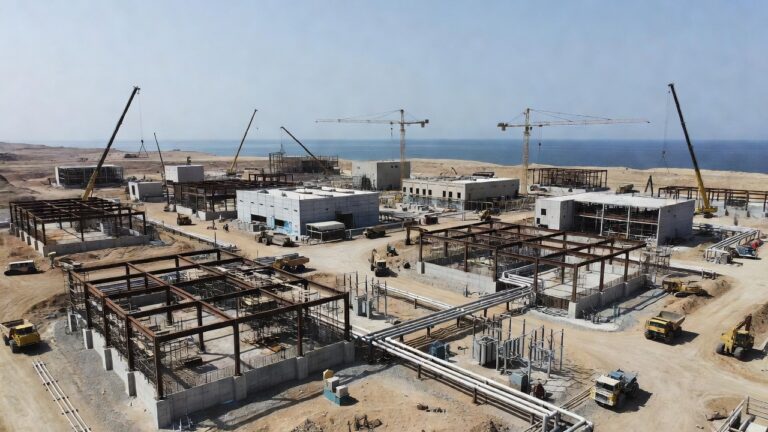
Q-Power Battery Company, established in Doha in 2018 as Qatar’s first dedicated battery factory, maintains annual production capacity of 720,000 units with advanced technology. The local firm supplies both domestic demand and export markets across the Gulf. Its operations stand to gain from reduced competition at dumped prices that previously undercut compliant producers.[[4]](https://www.qdb.qa/develop-your-business/access-to-global-markets/exporters-directory/exporter/q-power-battery)
IMARC Group data places the Qatar automotive battery market at USD 50 million in 2025 with an outlook for expansion to USD 73.5 million by 2034 at a compound annual growth rate of 4.25 percent. Rising vehicle ownership, urbanization and requirements for uninterruptible power supplies in the energy sector drive this trajectory. The anti-dumping duties coincide with these fundamentals and with broader efforts to raise local content in strategic industries.[[5]](https://www.imarcgroup.com/qatar-automotive-battery-market)
Industry participants noted that the tariffs should stabilize prices at fairer levels over time while encouraging capacity increases among GCC producers. The Saudi Auto website assessment of the GCC decision highlighted potential improvements in employment and factory utilization once imports are rebalanced. Authorities will enforce the duties at entry points with provisions for verified exemptions where applicable under the GCC agreement.