 ع
ع


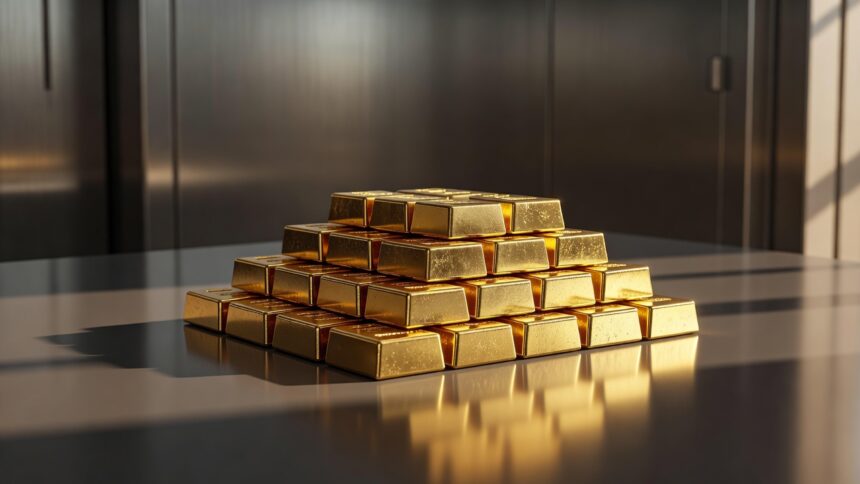
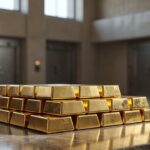
Reuters reported that spot gold advanced 0.3 percent to $3,980.64 an ounce by 0455 GMT after touching its lowest level since July 1 earlier in the session. US gold futures for August delivery fell 0.2 percent to $3,984.10 an ounce at the same time. The metal has shed 3.4 percent over the course of the week which marks the largest such decline since the start of June.
The news agency noted that oil prices have climbed about 12 percent so far this week on the back of the Middle East developments. Those energy gains have contributed to inflationary pressures according to the report and have bolstered the argument for the Federal Reserve to maintain or even raise interest rates. Reuters data showed the combination weighed on gold despite its traditional role as an inflation hedge.
Silver dropped 0.6 percent to $55.20 an ounce while platinum lost 1.1 percent to $1,599.17 and palladium eased 0.4 percent to $1,244.16 according to Reuters. The three metals were likewise heading for weekly losses as of Friday. Market participants tracked the moves alongside shifts in the broader commodity complex.
A Reuters assessment found that traders now assign only about a 10 percent chance of a Federal Reserve rate increase at the central bank’s July 28-29 meeting following recent cooling in core inflation data. The same report indicated expectations for a September move had also moderated from earlier highs. The US-Iran tensions have nevertheless kept rate-hike bets alive in some quarters.
Trading Economics figures show gold has fallen more than 5 percent over the past month even though it remains up roughly 19 percent from year-earlier levels. The platform’s data placed the metal below the $4,000 an ounce threshold on Friday amid the weekly pressures. Such swings reflect persistent sensitivity to geopolitical events that have shaped commodity trading throughout 2026.
The Federal Reserve’s July monetary policy report stated that longer-term inflation expectations remain anchored around 2 percent despite recent volatility. Reuters coverage of the period highlighted how earlier US-Iran flare-ups in 2026 had produced comparable effects on both oil and gold prices. Market observers continue to weigh fresh developments from the region for potential further impacts on precious metals.