

 ع
ع



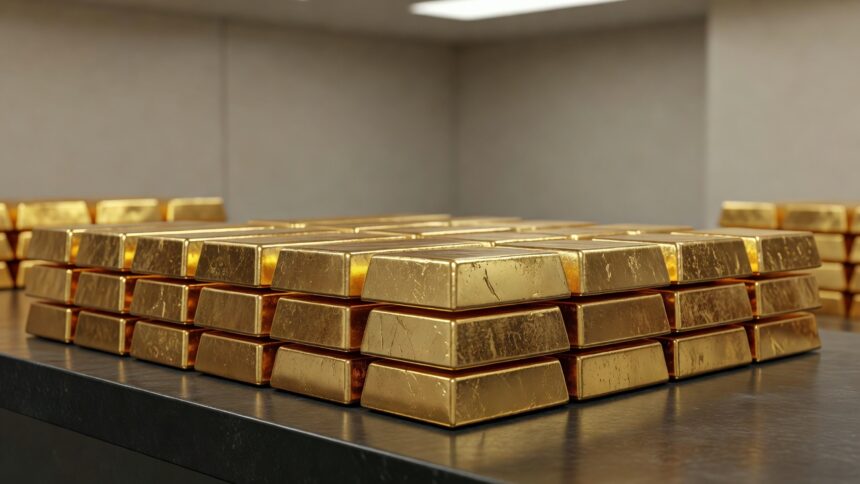
Gold futures climbed to their highest level in two months, reflecting renewed demand for the precious metal as a hedge against inflation and geopolitical risks. Market analysts pointed to a combination of factors including softer U.S. economic data and expectations of interest rate adjustments by major central banks. The surge pushed spot gold above key resistance levels, with trading volumes increasing notably across major exchanges.
Supporting data from the World Gold Council indicates that global gold demand has risen by approximately 5 percent year-on-year, driven largely by central bank purchases in emerging markets. Central banks added 290 tonnes of gold to reserves in the first half of 2026 alone, a figure that underscores continued institutional interest even as retail investment fluctuates. This trend has helped stabilize prices despite periodic sell-offs in equity markets.
In the United States, the Federal Reserve’s latest signals regarding monetary policy have contributed to the price movement, with lower yields on Treasury bonds making non-yielding assets like gold more attractive. Investment banks including Goldman Sachs have revised their year-end forecasts upward, citing persistent inflation concerns that could delay rate cuts. These projections align with broader commodity market behavior observed in recent weeks.
Regional factors in Asia have also played a role, where jewelry demand in major economies such as India and China has rebounded following earlier seasonal slowdowns. Customs data from those countries show a 12 percent increase in gold imports during the second quarter, according to reports from the World Gold Council. Such physical demand complements the speculative buying seen in futures markets.
Broader commodity indices have reflected similar upward pressure, with silver and platinum prices posting modest gains in tandem. Industry assessments from the London Bullion Market Association place average daily trading at elevated levels compared to the same period last year. Market participants continue to monitor upcoming economic indicators that could influence the next phase of price action.
The rise comes as part of a longer-term pattern in which gold has maintained support above $2,300 per ounce throughout much of 2026, per data compiled by major financial terminals. Analysts expect volatility to persist as central banks navigate balancing growth and price stability objectives in the coming months.