

 ع
ع



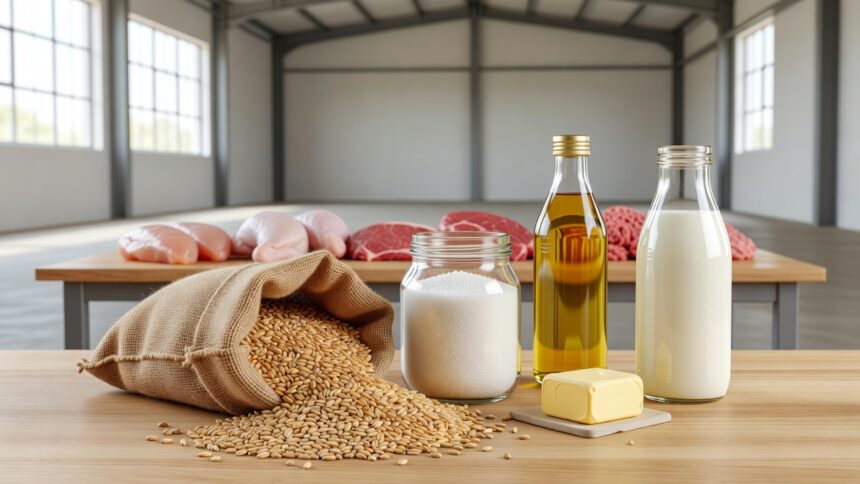
The Food and Agriculture Organization of the United Nations released data showing its benchmark Food Price Index averaged 133.3 points in August, an increase of 2.5 points or 1.9 percent from the revised July figure. The organization noted that this represented the second consecutive monthly rise and brought the measure to its highest reading since November 2022, although it remained 16.8 percent below the all-time peak reached in March 2022. The FAO assessment found the index stood 2.5 percent higher than in August 2025, with gains recorded across all five commodity groups it tracks.
According to the FAO update, the Sugar Price Index surged 11.9 percent to 106.4 points, its highest level since June 2025, driven by expectations of tighter global supplies in the 2026-27 season. The organization’s figures show the Cereal Price Index advanced 2.2 percent to 116.3 points, reaching its strongest reading since May 2024 on robust import demand and weather-related worries in key producing areas. The FAO data places the Dairy Price Index 2.3 percent higher at 119.2 points while the Meat Price Index gained 1.0 percent to 127.9 points and the Vegetable Oil Price Index edged up 0.6 percent to 196.9 points.
The FAO linked much of the sugar surge to hot and dry conditions in the European Union that threatened sugar beet yields, combined with El Nino effects on Asian output prospects and reduced production in Brazil’s center-south region. India’s decision to permit duty-free imports of raw sugar added further upward pressure, the organization reported. In cereals, the FAO assessment found wheat prices rose 2.6 percent amid persistent disruptions to Black Sea export routes, lower European crop prospects from extreme summer heat and a weaker U.S. dollar.
Extreme summer temperatures across Europe damaged prospects for maize and sugar beet harvests as well as livestock production, the FAO said, while anticipated El Nino impacts raised concerns for palm oil and sugar in Asia. The organization also pointed to escalation risks around the Black Sea that continued to unsettle grain trade flows. A separate FAO review cut forecasts for world cereal output and stocks, reflecting these weather and conflict pressures.
FAO Chief Economist Maximo Torero stated that August’s increase signals a returning risk premium to food markets. “August’s increase in global food prices is a warning that the risk premium is returning to food markets: climate shocks, geopolitical tensions and disrupted trade logistics are converging to tighten supply expectations, showing that resilience, open trade and secure input flows are now central to global food-price stability,” Torero said in the Sept. 4 release. The FAO added that vegetable oil prices benefited from higher palm and soybean oil quotations that more than offset declines in sunflower and rapeseed oil.
The organization’s monthly report highlighted that butter prices held steady as firmer European values from tighter milkfat availability were balanced by increased seasonal supplies in Oceania. Meat price gains stemmed mainly from higher poultry, pig and ovine quotations, according to the FAO breakdown. Despite the recent uptrend, the index continues to reflect a market that has eased substantially from the volatility triggered by the 2022 supply shocks following Russia’s invasion of Ukraine.