

 ع
ع



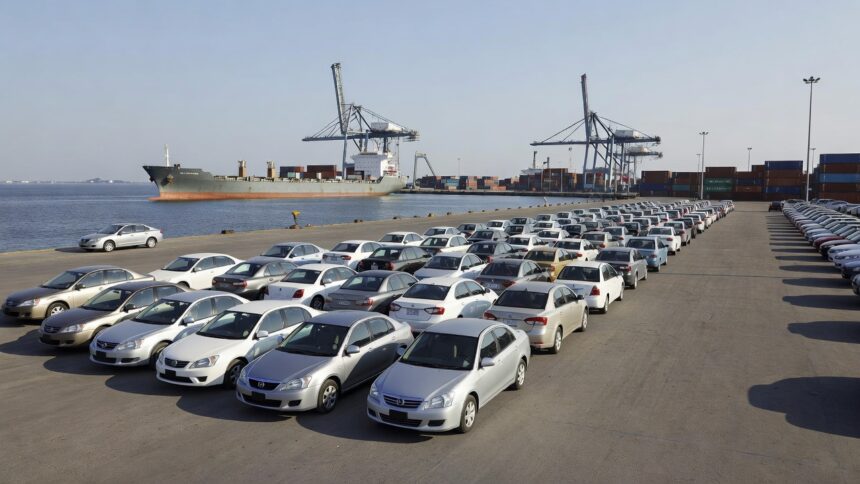
Pakistan’s commerce ministry has abolished the Personal Baggage Scheme that previously allowed imports of used vehicles, following approval from both the federal cabinet and the Economic Coordination Committee. The decision formed the centerpiece of a written reply to a National Assembly query submitted by Dr Shazia Sobia during Question Hour, according to the ministry’s response on August 20, 2026. The commerce ministry stated that the scheme, originally intended to help overseas Pakistanis import cars for personal use, had been widely misused for commercial purposes.
Vehicles imported under the retained Gift and Transfer of Residence schemes must now satisfy the minimum safety, environmental and regulatory standards that apply to commercial used-vehicle imports, the ministry’s reply made clear. The interval between permitted imports under these schemes has risen from two years to three years while any such vehicle must remain non-transferable for one year after entry. The ministry framed the adjustments as necessary to restrict access to genuine personal users only.
Eligibility now requires a minimum three-year stay abroad that includes at least 850 cumulative days outside Pakistan across all applicable schemes, according to the commerce ministry document. The rule tying the vehicle’s country of origin to the sender’s residence applies solely to the Transfer of Residence Scheme under the revisions. These parameters emerged after consultations between the commerce ministry and the Ministry of Overseas Pakistanis and Human Resource Development.
Prior to the changes an Express Tribune report placed the volume of used vehicles imported into Pakistan at 45,758 units in the 12 months through December 2025, with nearly all sourced from Japan. United Nations COMTRADE data recorded overall vehicle imports at $3.18 billion for the full year of 2025, underscoring the scale of demand that had prompted regulatory scrutiny. The Personal Baggage Scheme had served as a primary conduit for many of those entries before its removal.
The commerce ministry noted in its parliamentary submission that it was too early to measure the precise impact of the abolition and tightened conditions on aggregate import levels. Officials indicated that total used-vehicle arrivals could fall as a result of the policy shift and the higher barriers now surrounding the two surviving schemes. The reply stressed that the original policy architecture had aimed to benefit bona fide expatriates rather than facilitate commercial trade.