 ع
ع



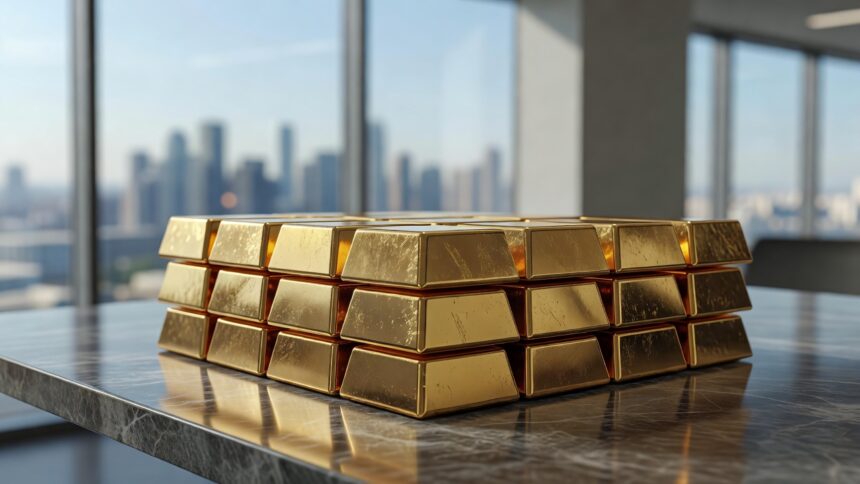
Trading data placed spot gold 1.2 percent lower at $4,072.49 per ounce by mid-morning in London while U.S. gold futures for August delivery eased 0.8 percent to $4,081.30. Saxo Bank analyst Ole Hansen said renewed hostilities in the Gulf rekindle concerns about inflation and the risk of further Federal Reserve tightening, creating additional headwinds for gold through higher bond yields and a stronger dollar. He added that focus on the Middle East and higher oil prices combined with low liquidity during the summer holiday period are key risks that may drive gold prices outside their current consolidation range of $3,900-$4,200. Anadolu Agency figures show the metal has declined more than 28 percent from its record high of $5,598 per ounce hit in January this year.
The same reports detailed U.S. and Iranian forces exchanging heavy missile and drone assaults, with Tehran targeting U.S. facilities in Gulf states and hinting at a possible closure of the Strait of Hormuz. Oil prices climbed nearly 3 percent in response to the escalation. A comparable episode in mid-June produced a 3 percent single-session drop in gold, a Canadian Mining Report assessment found, as similar dynamics between geopolitics and monetary policy played out. Higher energy costs feed directly into inflation readings that shape central bank decisions.
The CME FedWatch Tool indicated traders now assign a 71 percent probability to a Federal Reserve rate hike in September, up from 63 percent a week earlier. Higher interest rates increase the opportunity cost of holding non-yielding assets such as gold. This shift in expectations has weighed on bullion throughout much of the past year whenever inflation signals strengthened. The inverse link between real yields and gold prices remains a dominant feature of market behavior according to repeated sector reviews.
Key U.S. economic releases scheduled for the coming days include the June consumer price index, producer price index, retail sales figures and weekly jobless claims. Markets are also preparing for new Federal Reserve Chair Kevin Warsh’s first appearance before Congress on Tuesday and Wednesday. His testimony is expected to offer fresh guidance on how policymakers view the combined effects of geopolitical risks and domestic price trends. The data and hearings arrive as the higher-for-longer policy view gains further traction.
COMEX figures released on Friday showed gold speculators trimmed net long positions by 1,964 contracts to 114,854 in the week to July 7. The reduction ended three consecutive weeks of gains in bullish holdings. Such positioning data offers a window into how large investors are navigating the current mix of geopolitical uncertainty and shifting rate forecasts. The adjustment aligned with the latest leg of price weakness in futures markets.
Among other precious metals, spot silver declined 1.6 percent to $58.8795 per ounce while platinum fell 0.3 percent to $1,622.72 and palladium dropped 0.7 percent to $1,267.46. These moves tracked gold’s retreat as the same inflationary and policy concerns rippled across the complex. Silver’s greater sensitivity to industrial demand often amplifies its reactions relative to gold during periods of monetary tightening. Platinum-group metals, key inputs for automotive and industrial applications, similarly reflected reduced appetite for risk assets amid the uncertainty.