

 ع
ع



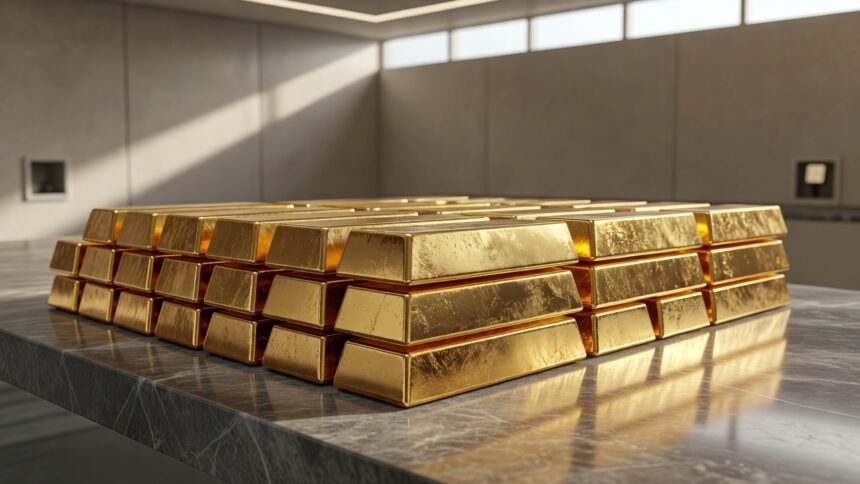
The recovery followed a roughly 3 percent drop in the previous session that had pushed the metal to its weakest point since the start of the month, the reports indicated. US gold futures for August delivery advanced 0.4 percent to $4,020.80 an ounce in tandem with the spot price movement. Traders were closely watching the forthcoming consumer price index numbers for signs of cooling or persistent inflation that might alter the path for US monetary policy.
Spot silver slipped 0.1 percent to $57.60 per ounce after it too reached a two-week low, the same market updates showed. Platinum declined 0.5 percent to $1,597.52 per ounce while palladium posted a 0.6 percent gain to $1,254.82. These shifts across the precious metals complex reflected mixed investor sentiment ahead of the important economic releases from the United States.
The World Gold Council outlined in its mid-year outlook published on July 1 that gold had experienced a rollercoaster first half of 2026, surging to intraday records above $5,500 per ounce in January before retreating below $4,000 in late June for a year-to-date loss of 7 percent at that point. The council attributed the volatility to heightened geopolitical concerns and abrupt changes in investor sentiment. Its assessment noted that central bank buying continued to provide a floor despite outflows from gold-backed exchange-traded funds.
Recent Reuters coverage has highlighted how developments in US-Iran relations have influenced commodity markets, with escalations earlier in the month contributing to fluctuations in both oil and gold prices. A director of metals trading at High Ridge Futures told Reuters that increased tensions had led to lower trading in risk assets including gold. Such dynamics underscore the sensitivity of the precious metal to macroeconomic and geopolitical crosscurrents.
Public data from major exchanges place current gold levels significantly below the January 2026 peaks even after the latest modest rebound. The metal’s performance this year stands in contrast to its strong gains in prior periods when lower rate expectations and safe-haven demand propelled prices higher. Analysts monitoring the sector continue to assess whether the inflation data will shift the balance back toward bullish positioning.
A separate sector outlook from J.P. Morgan Global Research projected that gold prices could advance toward the $6,000 per ounce mark in coming years as various support factors reassert themselves. The bank’s analysis factored in ongoing central bank accumulation and potential periods of dollar weakness. This longer-term perspective contrasts with the near-term caution prevailing in trading rooms as the US data cycle unfolds.