 ع
ع


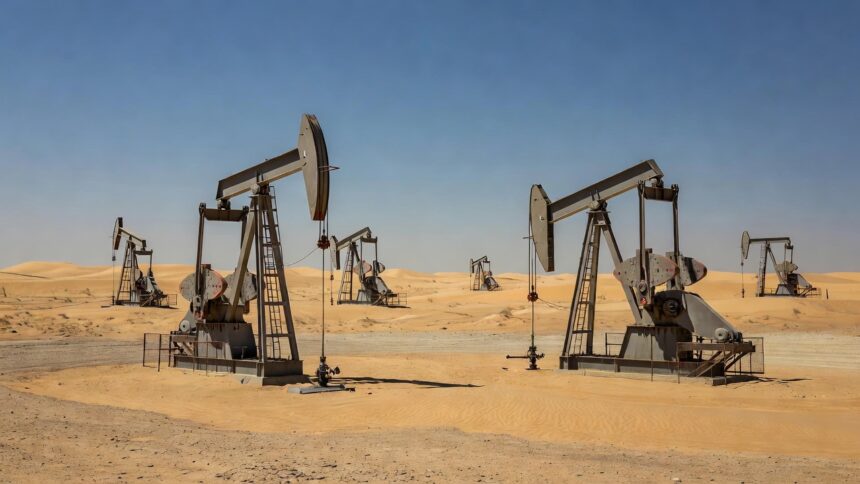
Reuters reported that most stock markets in the Gulf closed lower on January 4, 2026 in response to a decline in oil prices from the previous trading session. Investors weighed potential oversupply against geopolitical risks at the time. Saudi Arabia’s benchmark index fell 1.8 percent with Al Rajhi Bank losing 1.7 percent and Saudi National Bank dropping 2.3 percent. Saudi Aramco shed 1.6 percent according to the dispatch.
The Brent benchmark lost nearly 20 percent across all of 2025, the steepest annual fall since 2020 and the third consecutive year of losses which marked the longest such streak on record, Reuters stated. U.S. Energy Information Administration data placed the average Brent price for 2025 at $69 per barrel, the lowest annual figure since 2020 even after inflation adjustment. OPEC+ kept output unchanged that day after avoiding discussions of political crises affecting members from the Middle East, Russia, Iran and Venezuela.
Saudi Arabia’s finance ministry said on January 3, 2026 that the finance minister had approved the 2026 borrowing plan with financing needs of about 217 billion riyals, or $57.86 billion at an exchange rate of 3.7502 riyals per dollar. The plan supports Vision 2030 economic diversification that has already drawn hundreds of billions of dollars in government investment to lessen reliance on hydrocarbon revenue. The initiative is now more than halfway complete.
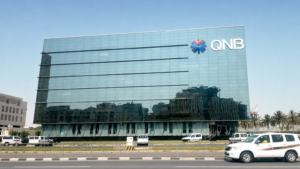
Qatar’s index added 0.2 percent on January 4, 2026 with Qatar National Bank gaining 0.7 percent, bucking the broader regional trend, Reuters figures showed. The Qatari market has shown resilience supported by an economy anchored in liquefied natural gas rather than crude oil. Rania Gule, senior market analyst at XS.com MENA, said, “Accordingly, I expect the Qatari market to maintain relatively stable performance, with gradual upside potential should global energy prices improve, without being exposed to sharp or sudden fluctuations.”
Egypt’s blue-chip index declined 2.2 percent with Commercial International Bank retreating 2.4 percent, extending the weaker sentiment beyond the Gulf, the Reuters report noted. The moves reflected close ties between energy prices and equity performance across the region. Banking and energy shares proved particularly sensitive to the oil price signal on the day.
U.S. Energy Information Administration assessments found that global oil markets faced supply exceeding demand throughout 2025, contributing to the price trajectory that influenced early 2026 trading. Brent prices averaged lower than in prior years with monthly figures falling from $79 per barrel in January 2025 to $63 per barrel in December. Such conditions have prompted Gulf economies to accelerate diversification measures to buffer against commodity volatility.