
 ع
ع



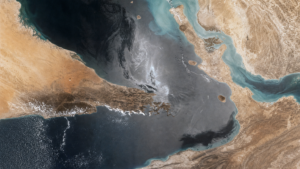
The efforts centre on restoring pipeline capacity through neighbouring countries and exploring new maritime outlets to reduce vulnerability to regional disruptions. SOMO data places Iraq’s daily crude exports at roughly 3.4 million barrels, almost all of which currently transit the strait, according to a statement issued by the company.
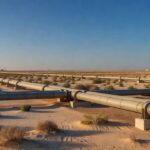
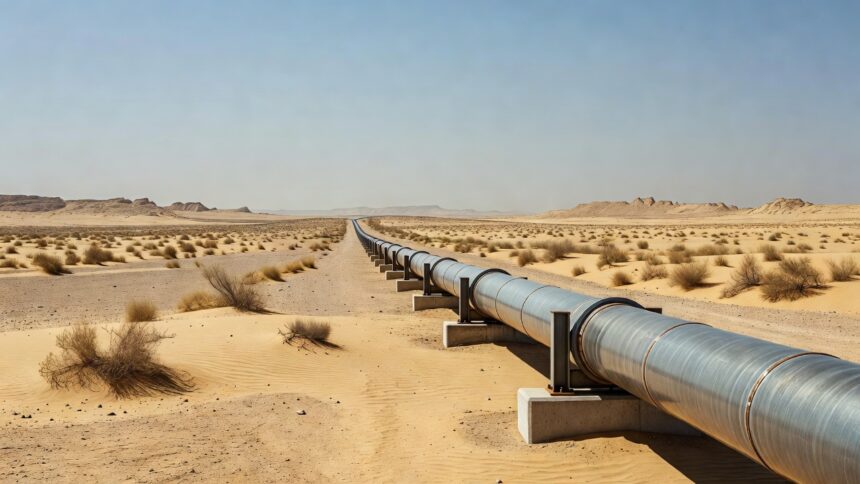
According to a SOMO assessment found, reactivation of the Kirkuk-Ceyhan pipeline through Türkiye forms a central element of the strategy. The line, which has been largely idle since 2014 owing to security concerns and technical disputes, could resume flows of up to 500,000 barrels per day once repairs and commercial agreements are finalised. Iraqi officials have held repeated talks with Turkish counterparts this year to resolve outstanding transit fees and pipeline integrity issues.
The ministry’s figures show that an additional route under discussion would link southern Iraqi fields to Jordan’s Red Sea port of Aqaba via a new pipeline. A feasibility study completed last year by the Iraqi Ministry of Oil and Jordanian authorities estimated construction costs at $2.5 billion and a potential capacity of 1 million barrels per day. Jordan has indicated it could offer storage and export facilities at Aqaba, providing Iraq with direct access to the Mediterranean without passing through the Gulf.
SOMO reported that talks are also under way with Saudi Arabia to revive an idle pipeline linking Iraq’s southern fields to the Saudi port of Yanbu on the Red Sea. The 1.65-million-barrel-per-day line has been out of service since the 1990s Gulf War. A joint technical committee formed in 2025 has completed initial inspections, with both sides aiming to reach a commercial framework agreement before the end of this year.
Iraq’s push to diversify comes as global oil markets face renewed volatility from geopolitical tensions in the Gulf region. The International Energy Agency’s latest monthly report placed Iraq as the second-largest OPEC producer after Saudi Arabia, with proven reserves exceeding 145 billion barrels. Diversification of export infrastructure is viewed by Iraqi planners as essential to maintaining revenue stability should shipping through the Strait of Hormuz face renewed threats.
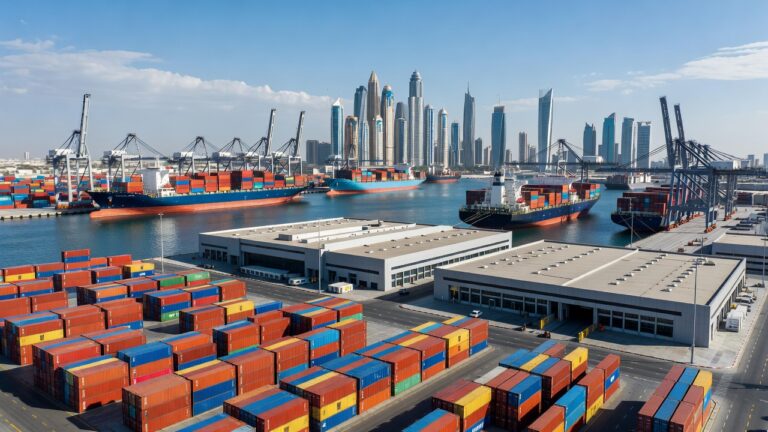
The state oil marketing company further noted that domestic refinery upgrades and increased storage capacity at Basra are being synchronised with the new export routes. These measures aim to provide operational flexibility and reduce dependence on floating storage during periods of congestion at the southern terminals. Industry analysts following the developments said the combined effect of the pipeline projects could shift as much as 30 percent of Iraqi crude exports away from the strait within five years if all proposals reach commercial operation.