 ع
ع


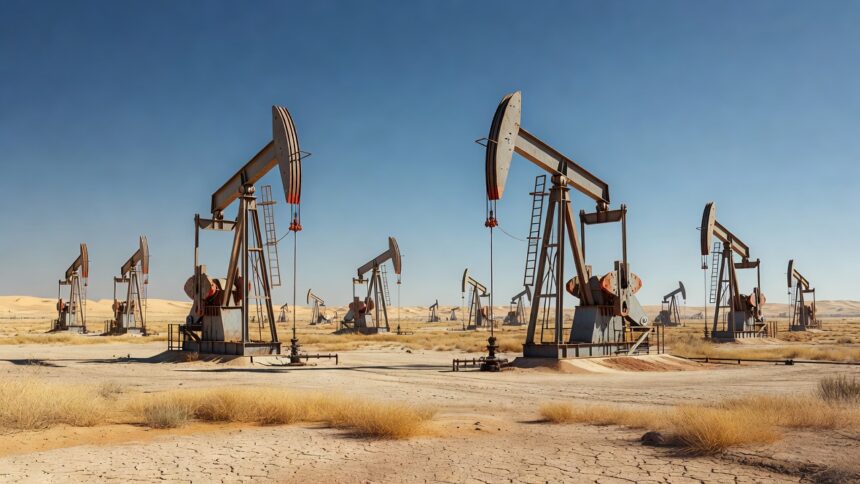
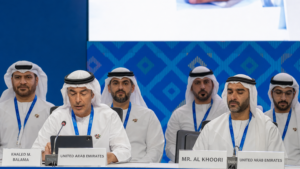
Saudi Arabia, Russia, Iraq, Kuwait, Kazakhstan, Algeria and Oman decided in an online meeting to implement the production adjustment of 188,000 barrels per day, the seven participating countries said in a joint statement. The move, which had been widely anticipated by market observers, represents the final step in unwinding a series of voluntary cuts first introduced in 2023 to bolster oil market stability. Reuters calculations show that successive monthly increases since April, including this latest adjustment, have now fully reversed the additional cuts when accounting for the UAE’s earlier exit from the arrangement.
Rystad Energy analyst Jorge Leon stated that OPEC+ has finished unwinding its voluntary cuts with the next challenge being management of any surplus that could emerge once export flows normalise. He added that the decision changes little in the near term because the Strait of Hormuz remains constrained by regional conflict. Leon further noted that the real market impact will come when normal export flows resume and that the group’s base case is a fourth-quarter pause while it prepares for 2027 quota negotiations.
Many OPEC+ members cannot produce at their official target levels due to declines in production capacity, UBS analyst Giovanni Staunovo said in an assessment of the latest policy shift. The constraints have made increases in quotas less meaningful in practice even as the group continues to adjust its formal targets upward each month. Such limitations have persisted despite a brief upswing in shipping traffic following a US-Iran memorandum of understanding signed in June.
Russia currently produces around nine million barrels per day against a target of 9.8 million barrels per day after repeated Ukrainian drone attacks on its oil infrastructure, the joint statement context and accompanying analyst commentary indicated. Iraq has separately expressed interest in significantly boosting its output once conditions allow. Analysts at DNB Carnegie reported that the group faces potentially difficult talks over new production quotas beginning next year following completion of the current unwind.
The decision arrives against a backdrop of oil prices that have settled near pre-conflict levels even as the Middle East war continues to influence global supply dynamics, according to market reports from recent weeks. Gulf exports have struggled to ramp up fully due to near-paralysis in the Strait of Hormuz orchestrated by Iran during the conflict. The seven countries emphasised in their statement that the adjustment stems from the additional voluntary measures announced in April 2023 and remains subject to ongoing market reviews.
The Joint Ministerial Monitoring Committee will continue to hold monthly meetings to assess conditions and conformity after this latest adjustment, OPEC+ documentation has shown in similar prior announcements. Previous hikes from April through August totalled 958,000 barrels per day before the September addition, Reuters data placed the cumulative figure. This incremental approach has allowed the alliance to respond gradually to evolving supply and demand factors without committing to larger immediate changes.