
 ع
ع



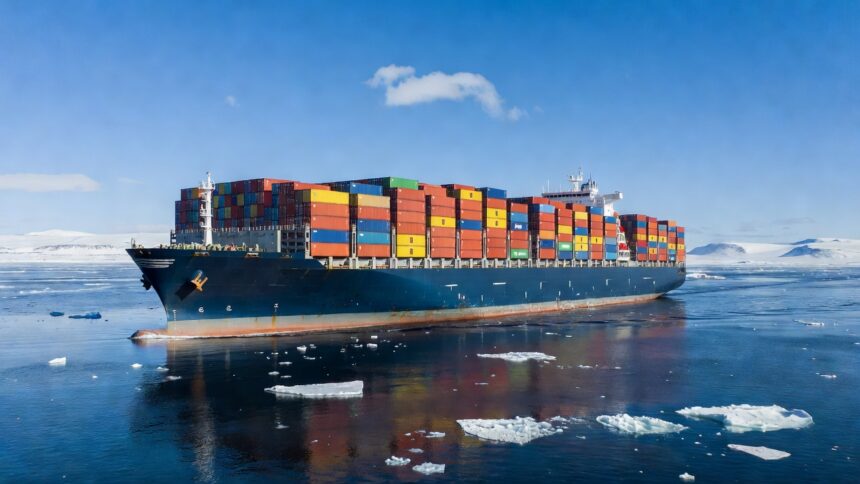
The PanStar Acro departed Busan New Port carrying more than 1,000 containers and is scheduled to visit Felixstowe in Britain, Rotterdam in the Netherlands and Gdansk in Poland before completing its round trip. PanStar the vessel’s operator said the journey will follow Russia’s Northern Sea Route after navigating past the Kamchatka peninsula and through the Bering Sea. The company added that the trial will collect operational data to evaluate the passage for future commercial services.
According to the Ministry of Oceans and Fisheries the Arctic path can reduce sailing time by as much as 35 percent versus conventional southern routes while requiring coordination with Russian authorities for icebreaker support. This voyage marks the first time a Korean container ship sails to Europe via Arctic for first time in a fully commercial capacity placing South Korea alongside China and Russia in testing the route. The initiative forms part of wider efforts to enhance Busan’s role as a global maritime hub amid shifting trade dynamics.
Western diplomats have voiced concerns about the necessary cooperation with Russia for use of the Northern Sea Route viewing it as potentially problematic amid current geopolitical tensions a Reuters assessment found. South Korean officials proceeded with the government-backed trial to explore diversified shipping options that avoid chokepoints such as the Suez Canal which has experienced disruptions from conflicts and incidents in recent years. Environmental organizations cautioned that greater traffic along the route could accelerate polar ice melt and disturb sensitive Arctic ecosystems.
The operator equipped the vessel with ice-strengthening measures and arranged appropriate escorts to handle variable ice conditions along the passage. Previous Arctic transits by vessels from other Asian nations have shown summer feasibility but also revealed challenges including limited port infrastructure and unpredictable weather. Ministry officials stated that findings from this expedition will help shape future policies regarding South Korea’s involvement in Arctic maritime activities.
Busan port authorities indicated that a successful completion of the 40-to-45-day round trip would bolster the facility’s competitiveness in emerging Arctic trade flows. The trial aligns with industry moves toward more efficient supply chain options between Asia and Europe. Maritime data compiled by the ministry shows that consistent Arctic usage has the potential to lower overall logistics costs for qualifying cargo.