ع




The Emirates News Agency reported on September 18, 2026, that the UAE continues to reinforce an integrated ecosystem linking domestic production with quality benchmarks, innovation, technology, supply chains and overseas demand in a bid to lift the competitiveness, resilience and sustainability of the national economy. This strategy covers the entire value chain from agriculture and food output through advanced manufacturing, product branding, marketing and exports while channelling government and institutional procurement toward priority national items. Such measures form part of a sustained push to position Emirati goods more prominently in foreign markets.
In April the Cabinet approved the National Project for the Protection of Geographically Defined Products, which will identify and safeguard agricultural, industrial and traditional items whose distinctive qualities or reputations derive from specific locations across the UAE. At the same time officials adopted a policy to expand the presence of national products in retail stores and on digital platforms while simplifying manufacturers’ entry into major supply chains. The agency said these steps aim to strengthen product identity and ease access to both domestic and international buyers.
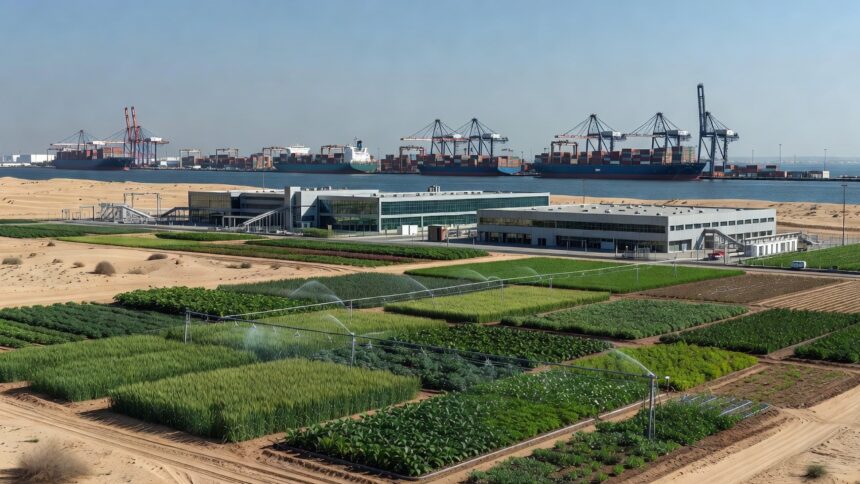
The National Agriculture Centre and the Abu Dhabi Agriculture and Food Safety Authority have introduced the National Project for UAE Good Agricultural Practices to raise production standards and improve entry to new markets. The programme sets a target for 80 percent of local farms to secure UAE GAP certification. Authorities expect the certification drive to align domestic output more closely with international buyer expectations.
Supporting the agricultural effort is the National Agricultural Initiative for the Adoption of Climate-Smart Crops, which seeks to broaden the national food basket and lower reliance on imports. The Sustainable Product initiative, meanwhile, aims to increase the share of locally produced agricultural and livestock items used by restaurants and hotels to 25 percent. These policies are intended to back local producers while advancing food security goals.
In the industrial sphere the government has launched an AED1 billion National Industrial Resilience Fund to promote localisation of critical sectors, reinforce supply-chain stability and accelerate artificial intelligence use in manufacturing, operations and planning. The fund is designed to create a more self-sufficient industrial base equipped to compete internationally. Separate data from the Ministry of Industry and Advanced Technology placed industrial exports at AED262 billion in 2025.
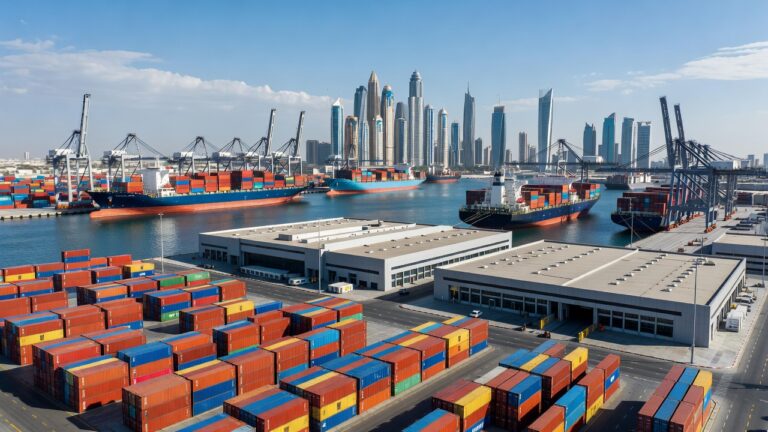
UAE non-oil foreign trade rose 27 percent in 2025 from the previous year while the In-Country Value programme redirected more than AED473 billion into the domestic economy, according to speakers at the Make it in the Emirates 2026 forum. Industrial exports recorded 25 percent annual growth that year to reach the AED262 billion total cited by forum participants. The performance reflects momentum generated by earlier diversification policies.
The UAE has completed 36 Comprehensive Economic Partnership Agreements since 2021, covering markets that represent three billion people and enabling non-oil foreign trade to surpass USD1 trillion in 2025, industry representatives noted at related events. These pacts, together with the latest agricultural and industrial measures, are expected to open further avenues for national producers. Additional steps continue to focus on raising the visibility of Emirati goods both at home and abroad.