 ع
ع


S&P Global Ratings reported that sukuk issuance by GCC countries climbed 13.1 percent year on year during the first four months of 2026. The increase stemmed mainly from robust activity in local-currency instruments issued in Saudi Arabia. Global sukuk volumes expanded 20 percent over the comparable period with Malaysia, Turkiye and Indonesia providing much of the momentum according to the agency.
The ratings group placed the GCC share of worldwide sukuk at 45 percent for the full year 2025. Its analysis in the Islamic Finance 2026-2027 report highlighted how geopolitical strains tied to the ongoing Middle East conflict are dampening economic outlooks across several Gulf economies. Slower expansion is expected to limit lending opportunities for banks including Islamic windows the assessment indicated.
Mohamed Damak head of Islamic finance at S&P Global Ratings stated “We expect the growth of the global Islamic finance industry to slow in 2026 to about 5 percent-10 percent as a result of the Middle East war following expansion of 10.2 percent in 2025.” The projection reflects pressures on core markets where weaker growth prospects will constrain banking sector performance. S&P Global Ratings anticipates that full recovery will depend on restored stability in oil trade and transportation links by 2027.
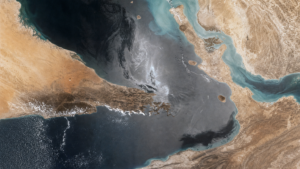
In a base-case scenario the agency outlined an agreement between the United States and Iran that would ease disruptions in the Strait of Hormuz permitting resumed petroleum flows by the end of May. Such a development could still encounter periodic interruptions the report cautioned. Normalization of supply chains would then support broader Islamic finance activity in the affected areas.
Fitch Ratings pointed to growing involvement by GCC investors and Islamic multilateral bodies as a catalyst for Islamic finance expansion in Central Asia. The total market there surpassed 600 million dollars by the close of 2025 excluding multilateral facilities according to Fitch Ratings data. Kazakhstan together with Kyrgyzstan should spearhead advances while Uzbekistan and Azerbaijan continue establishing regulatory and market foundations for sharia-compliant operations the assessment found.
The ICD-LSEG Islamic Finance Development Report placed global Islamic finance assets at 5.98 trillion dollars by the end of 2024 after 21 percent growth that year. Islamic banking commands the largest portion of the industry followed by sukuk with the sector now active across more than 140 countries. Earlier S&P Global Ratings estimates had projected global sukuk issuance between 190 billion dollars and 200 billion dollars for 2025 assuming contained market volatility.
Sustained demand for sukuk in the GCC during early 2026 demonstrates underlying resilience even as agencies track the interplay between regulatory reforms cross-border investments and geopolitical variables. Fitch Ratings separately noted that Islamic banks are projected to represent under 1.5 percent of total banking assets in leading Central Asian states in the near term. The combined data underscore both the scale of established markets and the incremental progress in newer jurisdictions.