 ع
ع


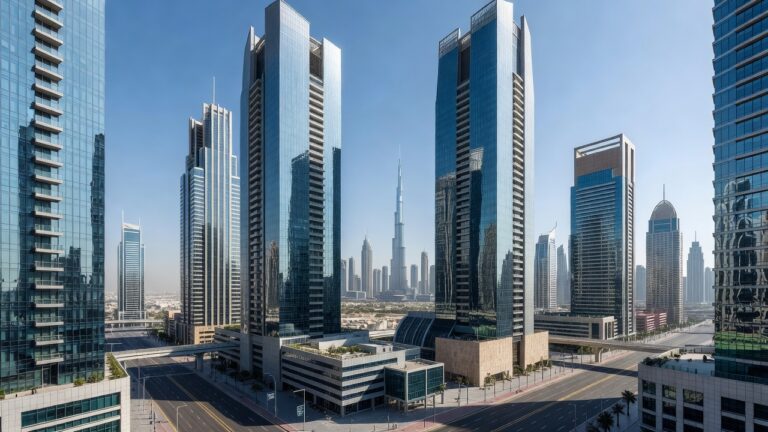
Gulf equities mostly advanced on Monday according to Reuters data, with Saudi Arabia’s benchmark index rising 0.1 percent as Al Rajhi Bank gained 0.2 percent and Saudi Aramco added 0.2 percent. Dubai’s main index climbed 0.5 percent, supported by a 1.2 percent increase in Emirates NBD shares, while Abu Dhabi’s benchmark edged up 0.2 percent. The Qatari index finished 0.2 percent higher with Qatar Islamic Bank advancing 0.8 percent, as regional sentiment improved ahead of company results that analysts expect to reflect post-conflict economic adjustments.
Egypt’s blue-chip index jumped 2.7 percent outside the Gulf, led by a 3.7 percent rise in Commercial International Bank shares, Reuters reported. A Reuters poll indicated Egypt’s central bank would likely hold interest rates steady for a third consecutive meeting on Thursday, helped by easing regional tensions. The performance across both Gulf and Egyptian markets underscored investor optimism tied to anticipated earnings strength following earlier 2026 volatility.
Joseph Dahrieh, managing director at Tickmill, said caution persisted over U.S.-Iran negotiations but positive progress could spur further market gains. The comment came as maritime trade between Iran and Qatar resumed after an approximately five-month suspension, according to Iranian state media cited by Reuters. Such developments contributed to improved regional sentiment that drove the day’s trading activity.
Oil prices declined on the day after OPEC+ agreed to raise output targets from August, even as exports via the Strait of Hormuz continued recovering and potentially adding to global supplies. The International Energy Agency projected global oil supply would decline by an average 3.9 million barrels per day in 2026 to 102.2 million barrels per day, assuming gradual resumption of flows through the strait from June onward. Declining prices amid rising regional output remain a risk for the energy sector, although normalization of shipping traffic is expected to support broader economic recovery.
A 2020 study by researchers including Nidhaleddine Ben Cheikh found that GCC stock markets exhibit asymmetric sensitivities to oil price changes, with four of six markets reacting more strongly to large deviations. The International Energy Agency’s May 2026 oil market report noted that cumulative supply losses from Gulf producers had already exceeded one billion barrels due to prior disruptions. These dynamics continue to influence investor positioning as the region emerges from earlier conflict-related shocks.
Market commentary from Legacy KC in July 2026 highlighted that the S&P 500 and other major indices achieved record highs in the first half of the year despite Middle East conflict, with corporate earnings growing at double-digit paces. Similar resilience appeared in GCC equities, where total market capitalization had expanded significantly from earlier baselines according to historical analyses. The current earnings focus builds on that momentum, with results expected to provide further signals on sector performance amid stabilized oil flows.
The Directorate General of Residency Affairs circular from April 2025, referenced in related economic discussions, had eased some expatriate procedures, indirectly supporting consumption that could appear in corporate results. Public Authority for Civil Information figures place Kuwait’s expatriate population at roughly 3.3 million, amplifying the importance of stable economic conditions. Such contextual elements frame the broader environment in which Gulf companies will report their performance this season.