 ع
ع


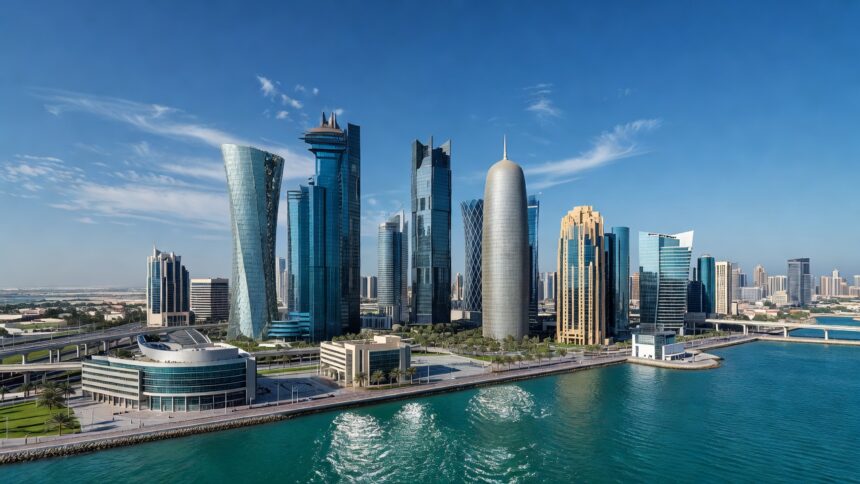
The National Planning Council on Sunday issued the results of the Foreign Direct Investment Survey for the first quarter of 2026, conducted jointly with the Qatar Central Bank, revealing gains in both directions of investment flows. Inward FDI rose 3.3 percent from the preceding quarter to reach QAR 172.2 billion while outward FDI, which captures Qatari investments overseas, climbed 3.5 percent to QAR 221.7 billion. The NPC noted that the outward growth underscores Qatar’s increasing engagement in global markets through economic partnerships that aid in diversifying assets and securing sustained returns. These outcomes highlight the steady momentum in foreign investment activity amid the nation’s long-term development planning.
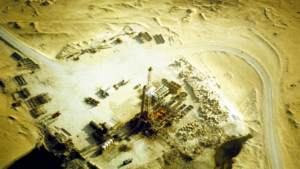
The council’s survey identified five primary economic activities that together represented more than 90 percent of inward FDI stock at the end of March. Mining and quarrying dominated with a 45.3 percent share, followed by financial and insurance activities at 31.9 percent, manufacturing at 13 percent, information and communication at 2.8 percent and professional, scientific and technical services at 2 percent. A similar concentration appeared in outward FDI, where financial and insurance activities led at 33.5 percent, mining and quarrying followed at 29.8 percent, information and communication stood at 10.8 percent, accommodation and food service activities at 9.1 percent and transport and storage at 7 percent. The NPC indicated these sectoral distributions provide insights into areas drawing the bulk of cross-border capital movements.
Secretary General of the National Planning Council Dr. Abdulaziz bin Nasser bin Mubarak Al Khalifa highlighted the significance of the latest data for Qatar’s economic path. “The rise in inward FDI in the first quarter of 2026 is a positive indicator of Qatar’s investment trajectory,” he said. Al Khalifa explained that authorities focus not only on the scale of investments but also on their contribution to diversification, productivity improvements, technology transfer and expansion of high-value sectors. He pointed to priorities of making the economy more appealing to high-quality investments and boosting non-hydrocarbon growth to fulfill objectives in the Third National Development Strategy and Qatar National Vision 2030.
The report detailed that the quarterly survey delivers initial estimates drawn from a sample of around 210 operating establishments, encompassing private firms and select government-linked companies. Results integrate information from the Qatar Central Bank covering banks, insurers and other financial entities while omitting state-level or personal international transactions. Such statistical work forms part of the NPC’s initiatives to refine economic indicators that inform policy choices and gauge advancement against national benchmarks. The survey’s regular publication supports enhanced transparency in tracking investment trends.
Qatar continues to align investment policies with the goals of its National Vision 2030, which emphasizes sustainable development and a reduced reliance on hydrocarbons through private sector and foreign capital engagement. The accompanying Third National Development Strategy has set a target of USD 100 billion in foreign direct investment by 2030 while seeking average non-oil economic growth of 4 percent annually, according to strategy documents. In addition, fDi Intelligence reported that the country secured a record 176 greenfield FDI project announcements in 2025, an increase of 24 percent from the year before, concentrated in technology, business and financial services. These developments illustrate the ongoing implementation of measures designed to elevate Qatar’s standing as an investment hub in the Gulf region.