ع




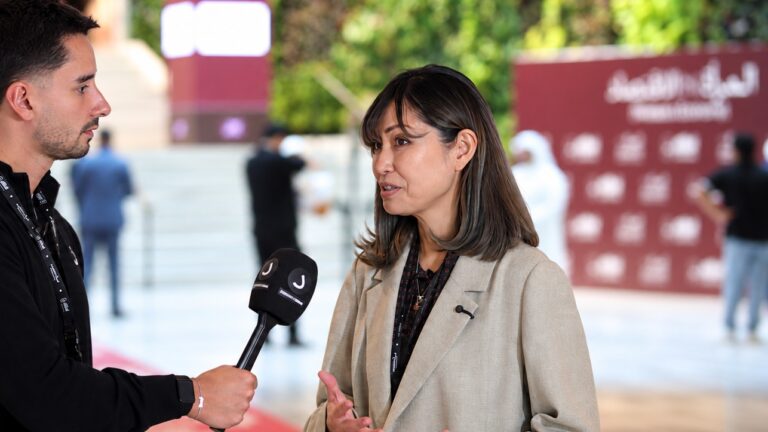
Industry leaders speaking at a panel discussion during Arabian Travel Market 2026 in Dubai maintained that steps to deliver accessible and seamless visa-free travel could establish the Asia-GCC corridor as a primary expansion area for the Middle East tourism industry. Oxford Economics data shared at the event placed the number of overnight guests from Asia-Pacific markets to GCC countries at 164.8 million in 2025. The total reflected growth of 161 percent from 2019 levels despite the pandemic that occurred in between. The session reviewed how policy adjustments and service improvements have already lifted arrivals from major Asian economies.
Aaron Goldring, senior economist at Oxford Economics, set the scene for the discussion by outlining record 2025 arrivals into the GCC from Asia-Pacific. Goldring said there were nearly 165 million overnight guests, more than 160 percent higher in just six years with a pandemic in the middle of that period. He singled out significant expansion from India, described as a huge market already and very important to the UAE, together with 10 percent growth from China during the same span.
Waad Melliti, senior business manager at the World Tourism Cities Federation, assessed the consequences of visa policy updates on travel volumes from the GCC into Asia with particular attention to China. Melliti reported that China put in place complete visa-free coverage across all the GCC countries in 2018. She noted that arrivals to China from the six GCC countries exceeded 150,000 in 2025, a 100 percent increase compared with 2024, while arrivals from Saudi Arabia rose around 110 percent and those from the UAE climbed 113 percent. Melliti said these numbers reflect the extreme interest of GCC travellers in visiting China.
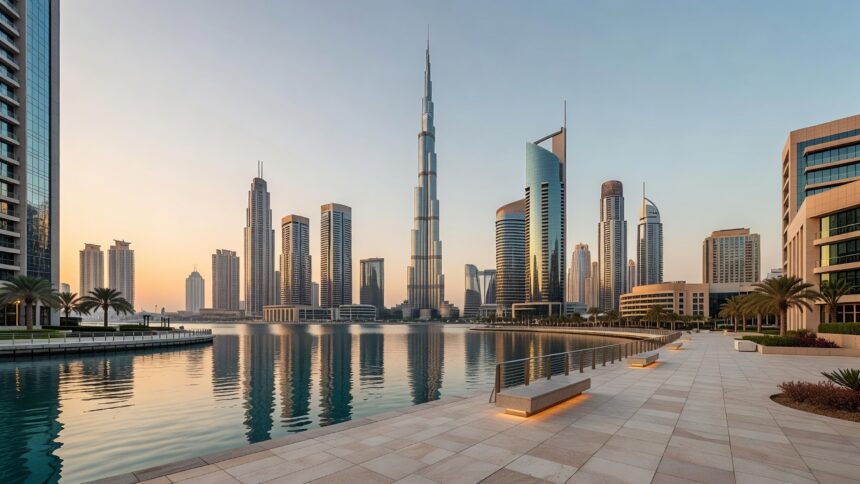
Shahab Abdollah Shayan, regional director Asia Pacific for the Dubai Department of Economy and Tourism, outlined measures introduced to improve the journey for Chinese visitors once they reach the emirate. Shayan explained that Dubai ensured all payment systems were available by training the central bank, malls, suppliers and other stakeholders to accept Alipay and WeChat Pay. The initiative, he added, removed the big barriers that Chinese travellers would encounter elsewhere and welcomed them with just their passport and their phone.
Danielle Curtis, regional portfolio director for the UAE at RX Global, the organiser of Arabian Travel Market, described the Asia-GCC corridor as clearly representing a huge opportunity for the travel and tourism industry. Curtis said public and private sector leaders in both regions have gone to great lengths to enable accessible seamless visa-free travel and that those efforts will continue paying dividends as increasing numbers of visitors look to explore the markets. The panel, which also featured Frederic Brohez of Pulse Hotels and Resorts and was moderated by Sienna Parulis-Cook of Dragon Trail International, stressed the value of sustained coordination to maintain momentum.
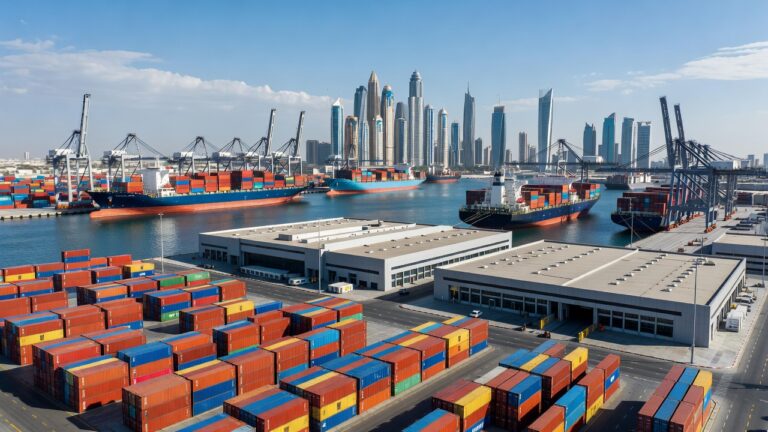
A separate assessment by Asia House found that Gulf-Asia trade volumes expanded to $516 billion in 2024 after rising 14.4 percent the year before, with forecasts pointing to $802 billion by 2030 if current rates hold. The Oxford Economics presentation at ATM 2026 illustrated how tourism flows form one element of deepening ties that support GCC efforts to broaden their economies beyond traditional sectors. Panelists indicated that continued visa liberalisation and infrastructure investment will be required to convert this potential into sustained long-term gains across the corridor.