
 ع
ع



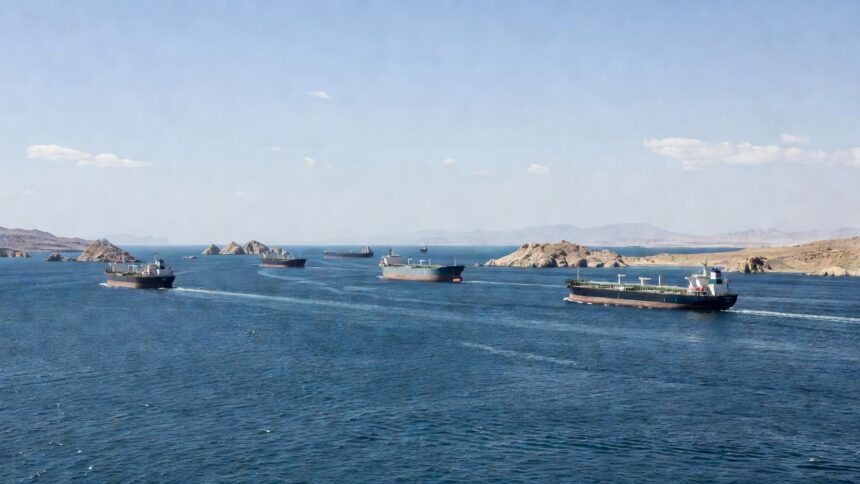
Oil prices rose further on Wednesday as the United States launched additional strikes on Iranian military installations in an effort to curb threats to commercial shipping through the Strait of Hormuz, according to Reuters. The latest escalation followed Washington’s reimposed naval blockade on Iranian ports and overnight attacks that drew sharp responses from Tehran. Brent crude futures advanced 18 cents, or 0.2 percent, to $84.91 a barrel by 1214 GMT while West Texas Intermediate futures added 26 cents, or 0.3 percent, to $79.60 a barrel. The moves came after the benchmarks settled 2 percent higher at a one-month peak the previous day amid ongoing supply concerns.
Reuters reported that Iran’s Islamic Revolutionary Guard Corps warned it would close all other export corridors that benefit the US and its allies after the renewed American action. The US military stated that its strikes on Tuesday lasted seven hours and struck dozens of targets near the strategic waterway and Iranian coastal zones. In retaliation, Iranian forces claimed attacks on US military sites in Bahrain, Kuwait and Jordan. These exchanges have intensified worries about energy flows from the Persian Gulf region.
The Strait of Hormuz carried roughly one fifth of global oil and liquefied natural gas shipments before the outbreak of hostilities, a Reuters assessment found. Goldman Sachs analysts estimated that Gulf exports had slipped below 50 percent of pre-war levels over the past week as tanker traffic slowed. The International Energy Agency has indicated that the escalation undermines forecasts for an oil surplus later this year. Such disruptions compound the impact of prior months of conflict on global energy markets.
Hostilities between Iran and the United States reignited last week, undermining a fragile truce agreed in June following several months of earlier fighting, Reuters data shows. The interim deal had aimed to restore vessel movements through the waterway but faced repeated challenges from tit-for-tat strikes. Energy advisory firm Ritterbusch and Associates noted in a report that the resumption of attacks is accelerating and likely to persist given additional US operations. This pattern has kept crude prices volatile since the initial outbreak.
Earlier rounds of conflict this month produced gains of as much as 9 percent in a single session for Brent crude when the US announced a full coastline blockade, according to Reuters tallies. Those surges reflected trader concerns over prolonged closure of key export paths. Analysts at Price Futures Group observed that while prices spiked near recent highs, some recovery in sentiment emerged on hopes for eventual de-escalation. Yet Wednesday’s developments reversed any softening and lifted contracts once more.
The latest price levels mark a notable recovery from multi-week lows recorded in early July before the truce began to unravel, Reuters figures show. Market participants continue to monitor diplomatic efforts that have so far failed to restore stable shipping lanes. Additional data from the US Energy Information Administration pointed to commercial crude draws of 2.7 million barrels last week as buyers sought to secure supplies. Such movements underscore the immediate market reaction to geopolitical risk in the Middle East.