 ع


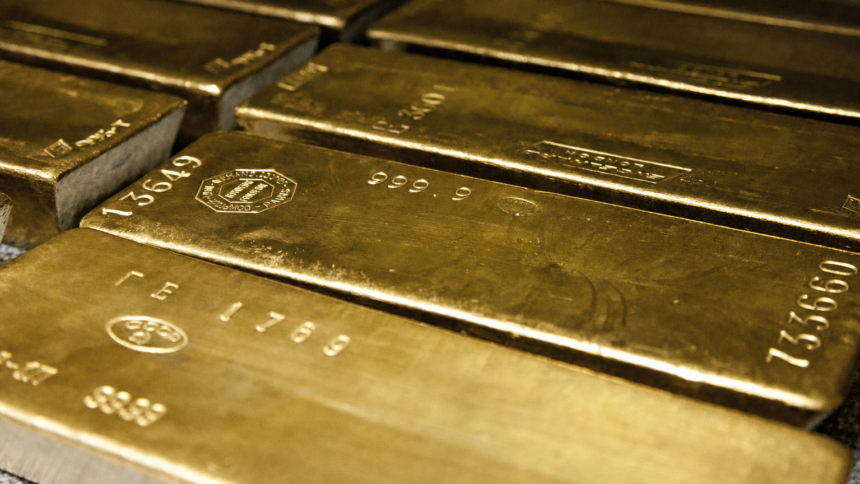
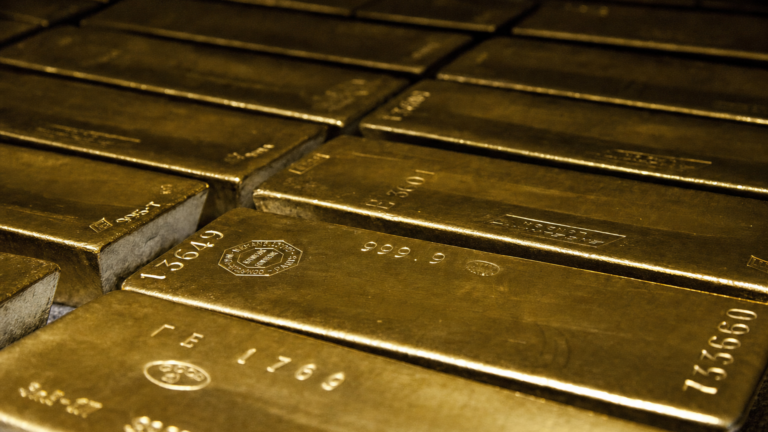
The Emirates News Agency reported that spot gold advanced 0.1 percent to trade near $2,652 per ounce in European morning deals on Wednesday. Gold futures for December delivery added 0.2 percent on the Comex division of the New York Mercantile Exchange while silver rose nearly 0.8 percent to $31.75 per ounce. Platinum eased 0.3 percent and palladium slipped 0.5 percent as industrial metals showed more varied performance amid shifting supply forecasts.
WAM figures show the gains came after two straight sessions of declines that had pulled gold back from recent record highs above $2,670. A weaker U.S. dollar index and falling Treasury yields reduced the opportunity cost of holding the non-yielding metal. Market participants also monitored developments in the Middle East where tensions continued to support demand for safe-haven assets.
According to World Gold Council data, central banks purchased 1,037 tonnes of gold in 2023, the second-highest annual total on record, helping establish a firm price floor. The council’s latest quarterly report placed global gold demand at 4,899 tonnes last year with investment and central bank buying offsetting softer jewellery consumption in some regions. These institutional flows have remained a consistent feature into 2024 and have contributed to gold’s year-to-date performance exceeding 20 percent at times.
A Reuters compilation of analyst forecasts placed the average expected gold price for the fourth quarter at $2,580 per ounce with several banks citing potential Federal Reserve rate cuts as a key supportive factor. In remarks carried by Bloomberg, commodity strategists noted that any softer-than-expected U.S. consumer price index reading due later in the week could accelerate expectations for December policy easing. Such a move would likely exert further downward pressure on real yields and bolster gold’s relative attractiveness.
The Dubai Gold and Commodities Exchange, a major regional hub tracked by the Emirates News Agency, recorded a 12 percent increase in traded volumes during the first nine months of the year compared with the same period in 2023. This growth reflects sustained physical market interest across the Gulf where gold retains cultural and investment significance. Exchange officials have attributed the rise to both retail and institutional participation seeking portfolio diversification.
International Monetary Fund statistics indicate that gold now accounts for roughly 15 percent of global official reserves on average with several emerging economies accelerating accumulation to hedge currency volatility. The fund’s latest outlook warned that prolonged geopolitical uncertainty could sustain elevated precious metals prices through the remainder of the year. Analysts continue to watch U.S. election developments closely as policy clarity after November may influence the metal’s trajectory in 2025.