
 ع
ع



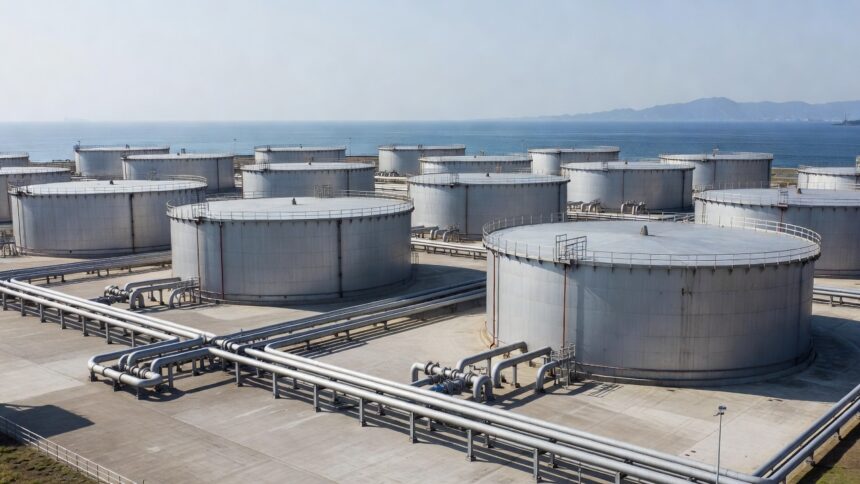
The Japanese Ministry of Economy, Trade and Industry created the panel to assess current requirements for holding reserves of gasoline, kerosene and other refined products. Officials aim to ensure the nation’s energy security while adapting to shifts in domestic consumption and international supply dynamics. The move aligns with Japan’s long-standing policy of maintaining substantial buffers against potential disruptions in crude oil and product deliveries.
Emirates News Agency reported that the panel will evaluate optimal stock levels and management practices for oil products. This initiative builds on Japan’s participation in the International Energy Agency’s framework, which requires member nations to hold emergency reserves equivalent to at least 90 days of net imports. International Energy Agency data places Japan’s total oil stocks at levels covering more than 140 days of consumption in recent assessments.
Discussions within the panel are expected to incorporate input from industry representatives, academics and government regulators. The group will consider how declining demand for traditional fuels due to electrification trends might affect future stockpiling needs. Recommendations from the panel are slated to inform potential updates to national energy legislation over the coming year.
Japan has maintained one of Asia’s most extensive strategic petroleum reserve systems since the oil shocks of the 1970s. The Japan Oil, Gas and Metals National Corporation oversees much of the public stockpiling infrastructure under ministry supervision. A prior review several years ago adjusted private-sector obligations in response to changing market conditions, according to ministry records.
The panel’s formation coincides with heightened global attention to energy resilience following recent supply chain strains. Member states of the International Energy Agency have collectively increased focus on product stockpiles beyond crude oil in recent years. Japanese authorities intend to share the panel’s findings with international partners to contribute to coordinated emergency response planning.