ع




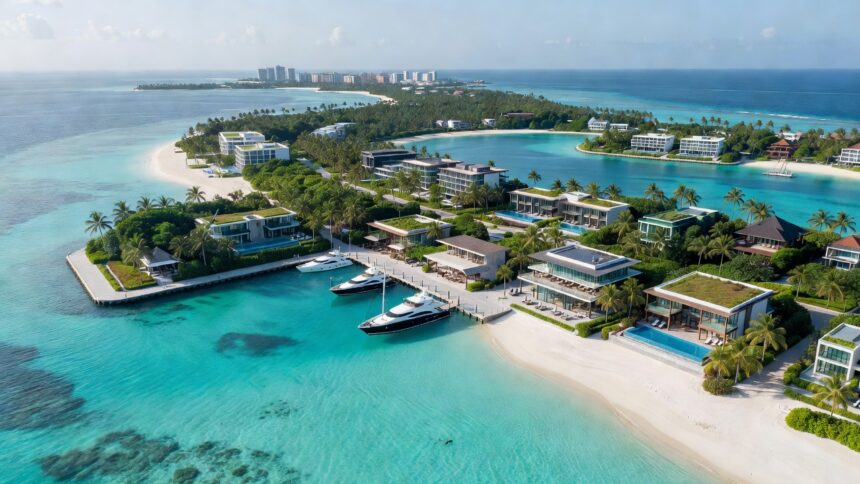
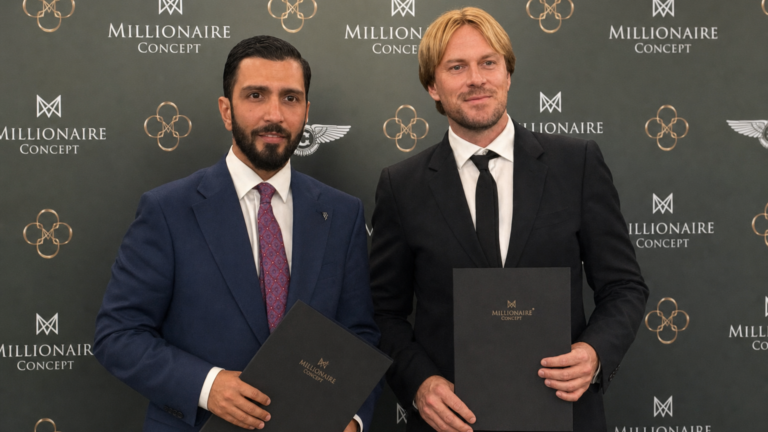
The agreement was signed in Dubai between Eagle Hills founder and chairman Mohamed Alabbar and Maldives Minister of Infrastructure, Housing and Urban Development Dr Abdulla Muththalib. It sets out the shared vision and principal commercial terms for an integrated island destination combining tourism, residential and commercial components on reclaimed land roughly 17 minutes by speedboat from the capital Male. The project will encompass international hotels and resorts, premium and branded residences, a world-class marina, waterfront promenades, retail and dining outlets, entertainment, wellness centres along with education, healthcare and community infrastructure, according to the joint announcement.
Preliminary estimates released with the signing indicate the development could draw more than $30 billion in gross foreign investment over its lifetime, including about $18 billion in net foreign investment into the Maldives. At full maturity the destination is expected to attract more than one million visitors annually and produce over $2 billion in annual tourism revenue while creating more than 54,000 direct and indirect jobs. These figures come from the developers’ own projections tied to the commercial terms agreement.
Mohamed Alabbar, who also chairs Emaar Properties responsible for Dubai landmarks such as the Burj Khalifa and Downtown Dubai, emphasised the opportunity to generate lasting economic benefits. “The Maldives is a truly special place, with unmatched beauty and global appeal. Our ambition is to build responsibly on that strength and create something truly world-class,” Alabbar said in the statement. He noted the project would deliver revenue, jobs, businesses and opportunities for the local community after three decades of experience in executing large-scale developments.
The initiative will occupy 500 hectares of reclaimed land at Ras Malé, described as two-and-a-half times the size of Downtown Dubai, and forms part of the larger Ras Malé urban expansion that includes plans for thousands of housing units to ease pressure on the greater Male region. It will provide 5,000 homes for Maldivians as the country addresses its housing shortage through this major reclamation effort. A masterplan is still in draft form with a definitive agreement targeted for the end of October and construction potentially spanning five to 10 years depending on sales momentum, according to participants in the announcement.
The $20 billion project, which exceeds double the Maldives’ nominal GDP of approximately $8 billion, is positioned as a second economic engine alongside tourism that has traditionally underpinned the island nation’s growth. It seeks to broaden the tourism product and draw new international visitor segments through year-round residential and commercial activity rather than seasonal offerings alone. The scale reflects the government’s push to diversify beyond conventional resort models while maintaining environmental considerations in one of the world’s most climate-vulnerable countries.
Eagle Hills has previously delivered comparable mixed-use developments including Belgrade Waterfront in Serbia that transformed urban districts through phased investment and public-private coordination. The Maldives Waterfront and Marina adopts a similar approach by blending hospitality, real estate and supporting infrastructure to stimulate sustained economic output. Detailed technical and regulatory work will follow the commercial terms to translate the agreement into physical development on the Fushi Dhiggaru Falhu lagoon site.