

 ع
ع



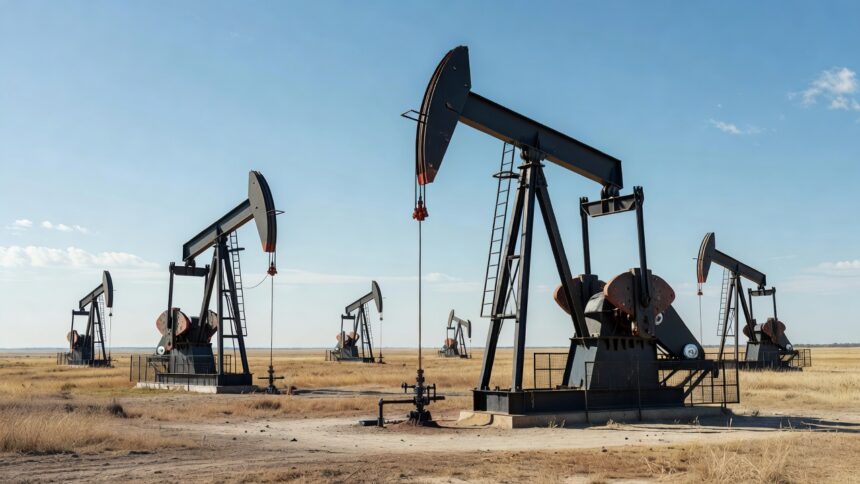
Reuters reported that oil prices settled slightly higher on February 13 as optimism around US inflation data outweighed concerns over OPEC supply increases. Brent crude futures rose 23 cents, or 0.3 percent, to close at $67.75 a barrel while West Texas Intermediate crude gained 5 cents, or 0.08 percent, to settle at $62.89 a barrel. The data showed an overall slowdown in US inflation, helping to counter the impact of OPEC+ leaning towards resuming production hikes.
The news agency noted that the inflation figures raised hopes for lower interest rates, which could support economic growth and oil demand. OPEC+ has been considering bringing back barrels to the market after voluntary cuts, a move that could ease supply tightness. This tension between demand support and supply growth defined the trading session for energy futures.
According to the US Energy Information Administration, oil prices are expected to be lower in 2026 and 2027 due to rising non-OPEC production. The agency’s short-term energy outlook has highlighted how increased output from countries outside the cartel may pressure prices downward. Such forecasts provide background for investors evaluating current market moves.
Reuters data showed that in the preceding week, oil prices had posted losses as risks associated with Iran eased and oversupply worries mounted. The slight rebound on Friday reflected a shift in focus toward American economic indicators. Market participants will monitor upcoming data releases for further direction.
A Reuters assessment found that the Organization of the Petroleum Exporting Countries and allies have delayed some production increases previously planned. Any acceleration in those plans could alter the supply balance significantly. Traders remain attentive to official announcements from the Vienna-based group for signals on policy shifts.