

 ع
ع



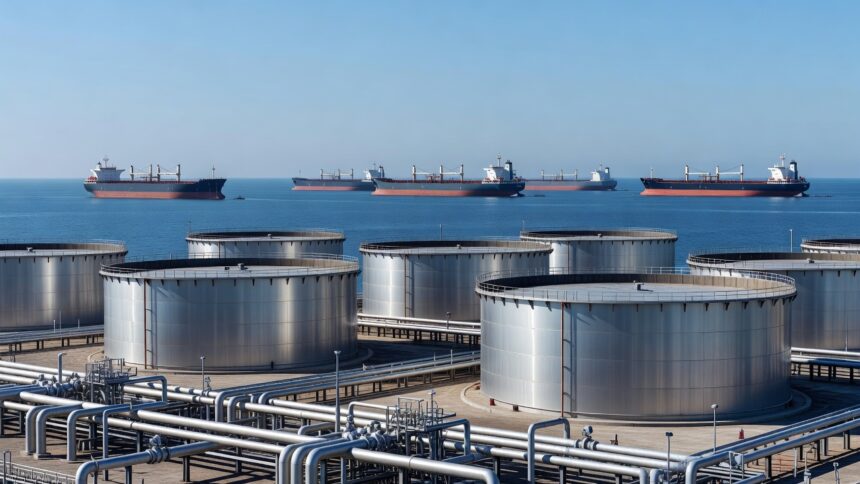
Oil futures declined around 2 percent on August 25 with Brent crude settling at $92.17 a barrel after a $2.22 loss while West Texas Intermediate crude dropped $2.05 to close at $85.01, according to Reuters. The slide came after both benchmarks posted gains exceeding 5 percent the prior week as market participants locked in profits amid reduced geopolitical risk premiums. U.S. Treasury Secretary Scott Bessent unveiled expanded secondary sanctions targeting entities doing business with Iran but the measures contained few surprises beyond prior warnings.
The announcement formed part of broader American efforts to isolate Iran’s economy and push for negotiations to end regional conflicts, Reuters reported. Yet traders interpreted the economic pressure as less likely to trigger immediate supply interruptions through critical chokepoints such as the Strait of Hormuz than military escalation would have been. Raymond James analysts noted that the sanctions lacked novel elements capable of significantly altering near-term oil flows.
International Energy Agency assessments have flagged a growing global surplus as demand growth slows in key markets including China, an outlook that added downward pressure throughout the session. The IEA projected more modest consumption increases for 2026 than earlier forecasts had indicated even as production from multiple regions continues at elevated rates. This supply overhang has encouraged floating storage builds that reached levels not seen since the pandemic era.
U.S. crude output climbed above 13.6 million barrels per day in July according to Energy Information Administration data contributing to the glut that has weighed on prices for much of the year. The resulting inventory accumulation both onshore and at sea has offset some of the support previously derived from Middle East tensions. Analysts expect the surplus to persist into coming months unless major producers adjust their strategies.
Equity markets advanced as lower energy costs eased inflation concerns with the S&P 500 rising 0.4 percent and the Nasdaq climbing 0.7 percent on the day according to market reports. The 10-year Treasury yield eased slightly to 4.66 percent reflecting recalibrated expectations for interest rate policy. Such moves illustrated the broader economic relief stemming from the commodity retreat.
Commodity strategists cautioned that residual risks persist if Iran chooses to retaliate against the sanctions through actions affecting tanker traffic in the Persian Gulf. Saxo Bank head of commodity strategy Ole Hansen said the pivot toward economic measures rather than conflict has trimmed the risk premium built into oil prices. Further statements from Washington or Tehran could still prompt renewed volatility in the coming sessions.