ع




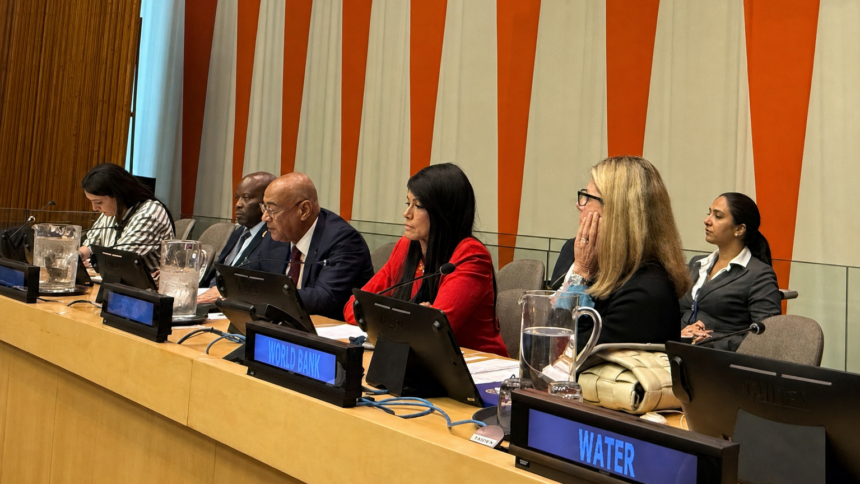
The meeting brought together undersecretaries from across the GCC to coordinate on electricity interconnection and water security measures. Qatar’s delegation contributed insights from its advanced desalination and power generation capabilities. The sessions highlighted the importance of shared strategies to address growing demand and climate challenges. Officials examined technical studies and international experiences in similar projects.
According to the GCC Secretary General Jasem Mohamed Albudaiwi, water security constitutes a strategic priority for member states that intersects with multiple aspects of development. A panel discussion on the sidelines of the UN General Assembly earlier this month underscored the need for collective action in the sector. GCC nations have accumulated expertise in desalination and wastewater reuse that can be leveraged for regional benefit. The approach aligns with directives from GCC leaders to pursue joint infrastructure initiatives.
The undersecretaries reviewed the implementation of previous decisions aimed at integrating the electricity grids and exploring water interconnection feasibility. They examined technical studies and international experiences in similar projects. Recommendations from the meeting are expected to be elevated to the ministerial level for further approval. Progress on these fronts builds on years of GCC coordination in the utilities domain.
Qatar has invested heavily in renewable energy integration with its electricity network, aligning with broader GCC goals for sustainability. The country’s National Vision 2030 prioritizes efficient resource use and innovation in the utilities sector. Such national efforts support the regional agenda discussed in the undersecretaries’ forum. Kahramaa has led many of these domestic advancements in recent years.
In addition to infrastructure, the gathering addressed regulatory harmonization and exchange of best practices among the six member states. Officials stressed the role of technology in improving efficiency and reducing costs. The collaborative approach is seen as essential for long-term energy and water security in the arid Gulf environment. Participants also considered timelines for upcoming workshops and data collection phases.
Data from regional reports indicate that the GCC’s water demand is projected to rise significantly in the coming years, necessitating urgent joint planning. Electricity consumption has also seen steady growth tied to economic expansion and population increases. The 32nd meeting provided a platform to align policies and investments accordingly. Follow-up actions will focus on preparing detailed roadmaps for submission to higher GCC bodies.