 ع
ع


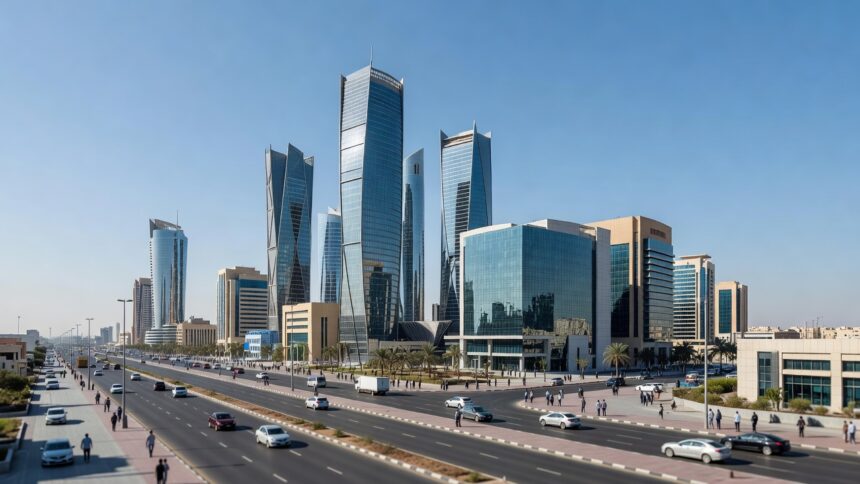
Saudi Arabia’s non-oil private sector expanded at the fastest pace in three months during May 2026 as domestic demand improved and supply chains stabilized even though business optimism remained subdued amid the regional conflict, a survey compiled by S&P Global for Riyad Bank showed on June 3. The seasonally adjusted Riyad Bank Saudi Arabia Purchasing Managers’ Index rose to 52.8 from 51.5 in April with the improvement driven mainly by stronger output and new orders as previously delayed projects restarted. Naif Al-Ghaith, chief economist at Riyad Bank, stated that the gains were supported by improving domestic demand. Food-tech entrepreneur Sara Amini, who is based in Dubai, told Arab News she found restaurants full and companies still discussing expansion when she visited Riyadh where she said it felt like business as usual.
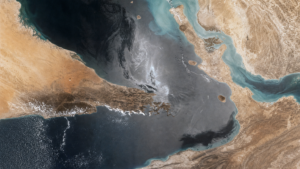
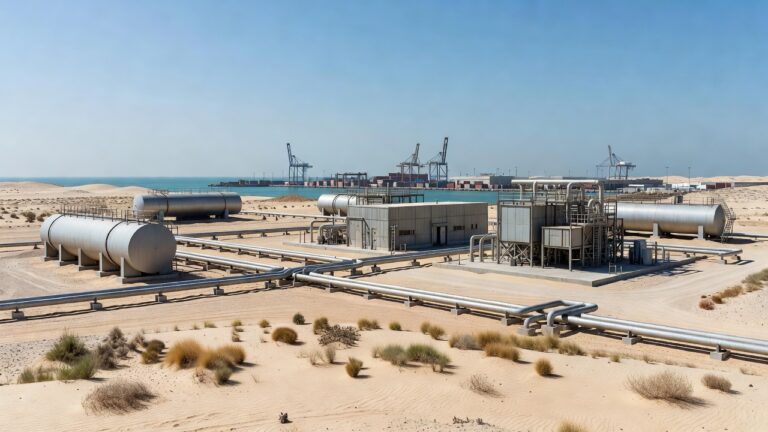
Investment funds have recorded an acceleration of demand for establishment in the kingdom along with more inquiries from local wealth, according to Walid Hayeck, managing director of FundRock ManCo Saudi. Hayeck told Arab News that many people are repatriating capital from other GCC states probably driven by a flight to safety. The trend has coincided with Saudi wartime initiatives to reroute Gulf cargo and crude oil via Red Sea ports to bypass disruptions in the Strait of Hormuz that followed Iranian attacks on infrastructure since late February. These moves have provided a critical lifeline for exports even as volumes declined with higher oil prices helping to offset the impact, Saudi Aramco head Amin Nasser said.
The developments align with the 2026-2030 strategy that Saudi Arabia released in April under its Vision 2030 framework which focuses on tourism, industry, artificial intelligence and logistics with investments channeled through the Public Investment Fund, the official Vision 2030 platform reported. Justin Alexander, a Gulf analyst at GlobalSource Partners, said the conflict arrived at a pivotal moment when the PIF was already recalibrating its approach toward greater emphasis on commercial returns, partnerships and third-party capital to create resilient growth engines. The strategy builds on earlier phases of the national transformation plan that have sought to diversify the economy and reduce oil dependence with the current phase prioritizing value realization in advanced manufacturing and multimodal logistics according to a CSIS assessment published this week.
Riyadh-based tech platform Sirdab which provides on-demand storage and transport for small businesses has received daily calls from new customers looking to clear containers from Jeddah and other Red Sea ports since the war started, co-founder Abdulrahman Alnamlah told Arab News. The company founded in 2021 currently employs 50 staff and is now focused on adding personnel to manage the increased demand that Alnamlah said is accelerating Vision 2030 logistics targets. This pivot has helped local firms benefit directly from the wartime rerouting while supporting broader supply chain stabilization reflected in the PMI data.
The Saudi Tourism Ministry reported that total tourist numbers including inbound and domestic rose 8 percent year on year to 37.2 million in the first quarter of 2026 with domestic travel climbing 16 percent to 28.9 million to offset a 13 percent drop in inbound visitors. Nationwide hotel occupancy averaged 66.3 percent in the January-to-March period up three percentage points from a year earlier according to JLL real estate data. The General Authority for Statistics separately placed the number of licensed hospitality facilities at 6,122 after a 22.7 percent increase while tourism employment exceeded 1.04 million workers after a 6.5 percent gain. In contrast Moody’s Analytics projected Dubai hotel occupancy would decline to around 10 percent in the second quarter from 80 percent in February.
A Finance Ministry spokesperson attributed a wider deficit to a temporary cashflow lag together with accelerated investment intended to mitigate the conflict’s effects. The non-oil sector momentum continued into June when the PMI rose further to 53.3 marking the strongest growth since February with business sentiment reaching a five-month high, S&P Global figures showed. New business grew at the fastest pace in four months driven by domestic demand although foreign sales contracted for a fourth month amid supply chain issues linked to the regional situation.