 ع
ع


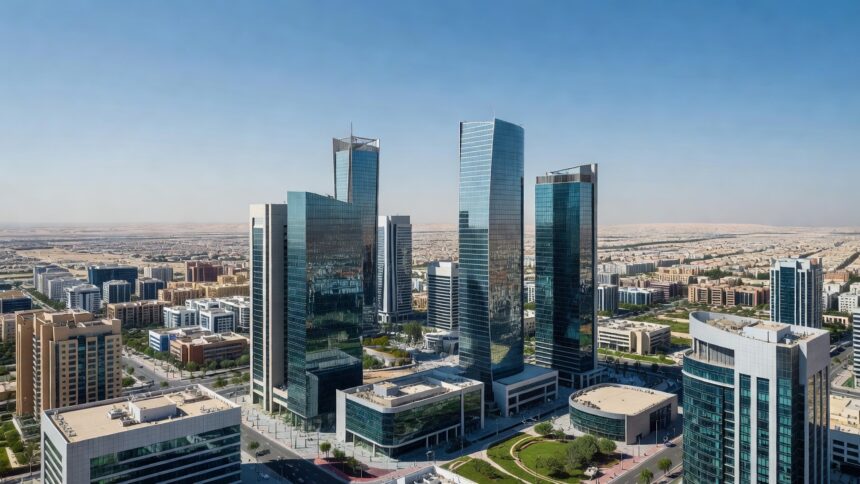
A CBRE Middle East report released on May 20 detailed how Saudi Arabia’s real estate sector posted SAR112 billion in transaction value for the first three months of 2026, reflecting measured growth amid broader economic recalibration. The report placed first-quarter GDP expansion at 2.8 percent year on year while noting that the full-year forecast had been revised to 1.9 percent, with inflation steady at 1.8 percent. Foreign direct investment had surged 90 percent in the fourth quarter of 2025, the CBRE assessment found, bolstering capital access that helped sustain real estate momentum under an expansionary fiscal policy.
Regulatory changes that eased foreign ownership rules and increased market transparency continued to draw institutional investors, according to the CBRE document. The kingdom has shifted emphasis toward project delivery and asset management, with Riyadh remaining the focal point as major initiatives such as NEOM, Diriyah and the Jeddah Tower advance. CBRE data showed that improved financing conditions and these structural reforms have strengthened participation even as the market repositions itself under Vision 2030 priorities.
Office space remained undersupplied for prime Grade A properties, with occupancy rates in Riyadh approaching full capacity as the regional headquarters programme sustained demand, the report stated. Performance stayed stable in Jeddah and Dammam, where quality assets continued to outperform older stock. The CBRE review highlighted that this tightness has supported rental levels despite the wider economic softening visible across the region.
Residential activity proved robust although fresh supply deliveries helped balance the market, CBRE figures indicated. Rents in Riyadh fell 2.1 percent year on year by March after authorities imposed a rent freeze in September 2025 that reset expectations. A Mordor Intelligence assessment found the Saudi residential real estate market is projected to grow from USD47.58 billion in 2026 at a compound annual rate of 6.63 percent to reach USD65.58 billion by 2031, underscoring long-term demand drivers tied to population growth and urban expansion.
Retail transactions benefited from a digital shift, with 85 percent of payments processed electronically last year, according to the CBRE report. Domestic food and beverage outlets together with fashion retailers performed strongly while new mixed-use developments such as The Avenues in Riyadh and Westfield projects in Jeddah and Riyadh added fresh inventory. Rents remained stable as operators pivoted toward walkable community-oriented formats that align with evolving consumer preferences.
Hospitality metrics showed year-to-date declines in occupancy and revenue per available room in Riyadh and Dammam, although Jeddah and Makkah posted gains on the back of religious tourism, the document reported. A growing supply pipeline aims to accommodate the kingdom’s target of 150 million annual visitors by 2030. Industrial and logistics assets meanwhile recorded strong demand for Grade A warehousing, with rental growth evident in key hubs supported by infrastructure projects that reinforce Saudi Arabia’s role as a regional trade centre.