 ع
ع


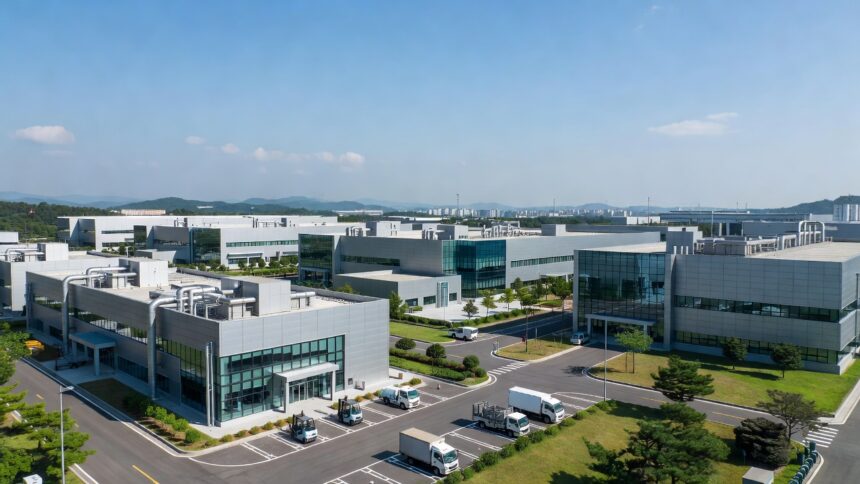
The Ministry of Data and Statistics reported that the all-industry production index stood unchanged at 120.2 in July on a seasonally adjusted basis after rebounding 2.4 percent in June from consecutive declines of 0.5 percent in April and 0.4 percent in May. Mining and manufacturing output edged up 0.2 percent in the month with electronic components surging 20.7 percent following a major smartphone launch and primary metals gaining 4.2 percent while semiconductor production advanced 0.5 percent. Automobile output dropped 4.5 percent due to a strike at Hyundai Motor and base effects from the prior month’s surge.
Service sector production contracted 1.3 percent in July marking the steepest fall since a 1.7 percent drop in February 2022 the ministry’s data showed. High consumer prices combined with a severe summer heat wave suppressed activity in accommodation and food services while finance and insurance output declined 4.8 percent on lower stock market turnover a senior official at the ministry noted. Information and communications production rose 3.5 percent providing some offset within the sector.
Retail sales which gauge private spending declined 2.4 percent in July reversing a 2.7 percent gain the previous month according to the ministry. Durable goods sales fell 7.7 percent with passenger car sales plunging 11.1 percent after the end of temporary individual consumption tax cuts that had pulled forward demand in June. Semi-durable goods such as clothing dropped 1.4 percent and non-durable goods including cosmetics slipped 0.1 percent across the board.
Facility investment increased 7.5 percent in July extending gains for a second consecutive month and marking the largest rise in five months the latest figures indicate. Investment in machinery and transportation equipment climbed on expanded production capacity for memory semiconductors the ministry reported. The strength in facility investment stands out against the broader softening in other activity measures.
Construction output decreased 1.1 percent during the month while public administration production jumped 10.4 percent according to the ministry’s breakdown. The average manufacturing capacity utilization rate rose 0.2 percentage points to 74.9 percent. Industrial output growth from a year earlier slowed to 3.6 percent in July from 6 percent in June Yonhap News Agency reported citing the data.
Analyses from local outlets such as The Korea Times and KBS World highlighted the economy’s continued heavy dependence on semiconductor-related activity for any expansion while domestic consumption faces ongoing pressure from inflation. Retail sales were down 0.8 percent from a year earlier with large discount stores reporting a 7.4 percent drop the ministry’s inventory showed. These July indicators provide the latest snapshot of a recovery that has displayed uneven momentum through the first half of 2026.